
News

Major container shipping lines are temporarily suspending new bookings to ports in the Persian Gulf and rerouting vessels amid escalating tensions in the region. According to The Loadstar, the precautionary measures affect shipments to the UAE, Saudi Arabia and other Gulf countries.
Industry sources report that several carriers have halted acceptance of new cargo orders to specific ports. Some vessels are being diverted to alternative hubs to reduce risks to crews and cargo. As a result, shippers may face longer transit times, higher fuel and insurance costs, and upward pressure on freight rates along alternative routes.
What this means for Ukrainian business
For Ukrainian exporters and importers, the development has direct implications. The Persian Gulf serves as a strategic transit hub for trade flows to the Middle East, South Asia and East Africa. Both containerised and multimodal routes rely on the region’s major logistics gateways.
Suspended bookings and vessel diversions may lead to:
– delivery delays to Gulf markets;
– rate increases on alternative corridors;
– the need to urgently revise logistics chains;
– stricter insurance requirements and inventory planning.
Companies trading with the UAE and Saudi Arabia should anticipate potential shortages of container capacity and adjust shipping schedules accordingly. If your supply chain is linked to the Middle East, submit a request via our contact form and GlobalPost specialists will help assess risks and identify the most efficient routing option.
What’s next
The situation remains fluid. Shipping lines typically react quickly to security developments, which may result in further restrictions or a gradual service recovery if stability improves.
GlobalPost continuously monitors key changes in international logistics and keeps Ukrainian businesses informed about risks and opportunities. Follow our news updates to make decisions based on current market developments.

The escalation around the Strait of Hormuz and the temporary closure of parts of Middle Eastern airspace are creating new risks for global air freight operations. This is reported by industry publication The Loadstar. Several airlines are already adjusting routes and scaling back operations in the region due to safety concerns and rising insurance costs.
The Strait of Hormuz is a strategic hub of global trade, through which significant volumes of energy supplies move, alongside key air corridors connecting Asia and Europe. Restricted access to regional airspace leads to longer routes, higher fuel consumption, and consequently increased transportation costs.
What Is Happening in the Air Freight Market
According to the source, some airlines are temporarily suspending flights through high-risk zones or rerouting aircraft via alternative corridors. This results in:
– longer transit times between Asia and Europe;
– increased operational expenses for carriers;
– potential air freight rate increases;
– cargo flow redistribution to alternative hubs.
Shipments of electronics, automotive components, pharmaceuticals, and e-commerce parcels may be particularly sensitive to these disruptions.
How This Affects Ukrainian Businesses
For Ukrainian importers working with China, South Korea, India, and Gulf countries, delivery delays and tariff revisions may occur in the coming weeks. Even short-term instability in such a critical region can impact European supply chains – and consequently shipments to Ukraine.
Exporters should also factor in the risk of extended delivery timelines when shipping goods to Asia and the Middle East. In periods of uncertainty, proactive logistics planning and alternative routing strategies become essential.
If maintaining delivery timelines and cost control is critical for your business, GlobalPost specialists can help identify the most efficient solution – submit a request via our contact form.
What to Expect Next
The situation remains dynamic. In the event of further escalation, additional increases in air freight rates and greater pressure on alternative routes through Turkey and Central Asia are possible.
GlobalPost continuously monitors developments in international logistics and keeps Ukrainian businesses informed about risks and opportunities. In our news section, you will always find up-to-date insights to support informed decision-making in a volatile global market.
Ukraine is required to fulfill a number of structural commitments to the International Monetary Fund, including appointing a new permanent Head of the State Customs Service and adopting tax changes for 2026–2027. This was reported by Interfax-Ukraine, citing updated agreements under the IMF program.
Among the ближайшие steps are strengthening the selection procedure for supervisory board members of state-owned banks, adopting a package of tax measures, and implementing institutional changes in tax and customs administration. The document also mentions plans to revise certain tax exemptions and improve control over the circulation of goods.
What This Means for Business and Logistics
For companies engaged in foreign economic activity, the key signal is the government’s intention to relaunch customs governance and strengthen control mechanisms. The appointment of a new Head of the State Customs Service may lead to changes in administration, internal oversight, and the digitalization of procedures.
In addition, a potential revision of tax rules and exemptions will directly affect importers and exporters. This may result in:
– changes in taxation conditions for certain categories of goods;
– enhanced control over transfer pricing;
– updated approaches to inspections and risk management.
For logistics operators, this is a signal to prepare for procedural adjustments and to pay closer attention to goods classification and proper documentation of shipments.
What Importers Should Pay Attention To
Businesses should already be monitoring upcoming legislative initiatives and preparing for possible changes in the tax and customs framework in 2026–2027. In the context of reforms, the accurate preparation of contracts, invoices, and customs declarations becomes especially important.
If you need консультацию regarding international shipping and customs clearance — contact GlobalPost specialists.
Conclusion
The reforms agreed with the IMF are not only about macroeconomic policy but also have a direct impact on international trade rules. Changes in the tax and customs system may significantly affect delivery costs and timelines. GlobalPost continuously monitors key trends in international logistics and keeps Ukrainian businesses informed about the factors shaping new conditions for operating in foreign markets.
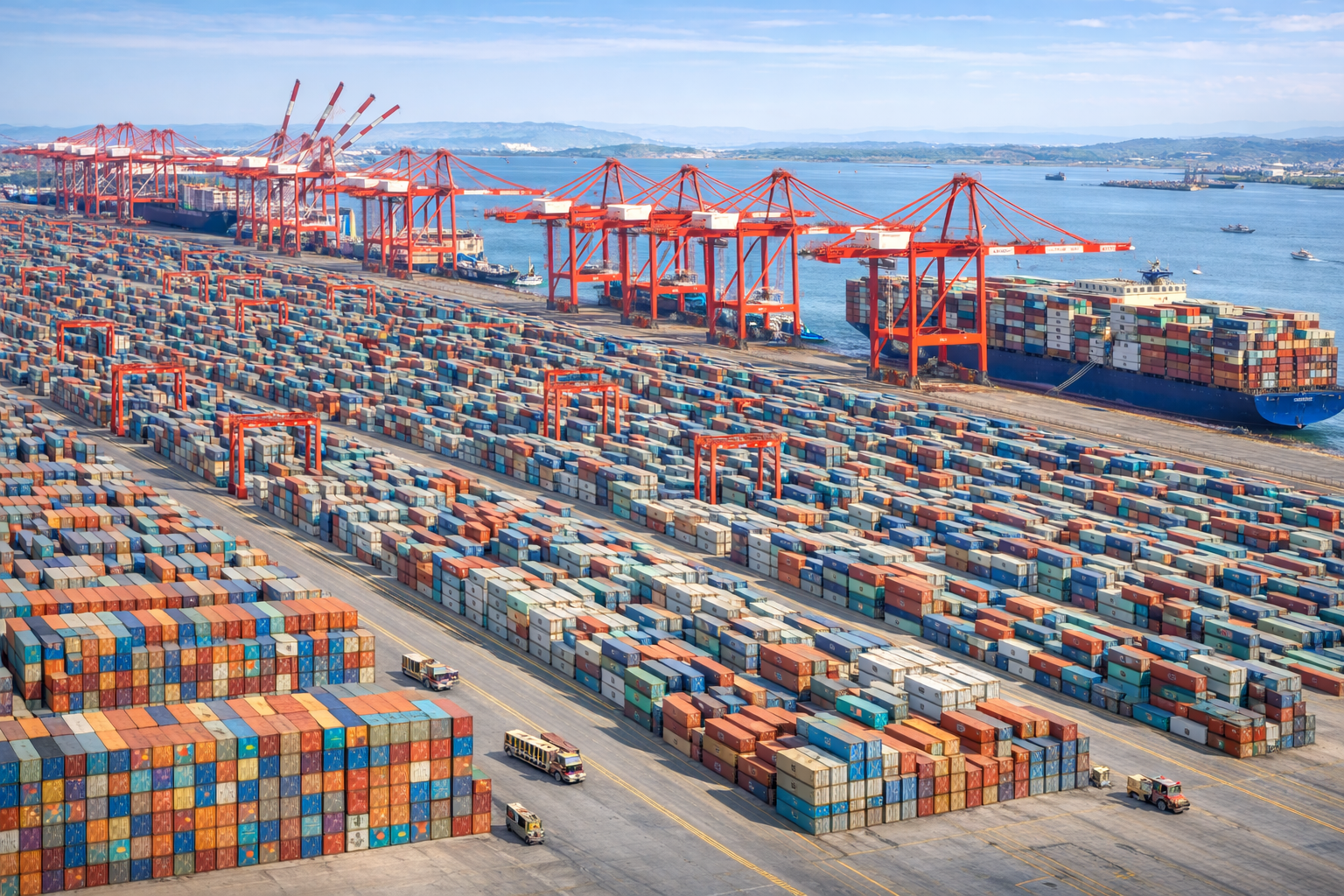
Ocean carriers are announcing new rate increases on the Asia–US trade lane despite ongoing tariff uncertainty and fluctuating demand. According to The Loadstar, shipping lines are attempting to implement a General Rate Increase (GRI) against the backdrop of uncertainty surrounding US import tariffs and reduced capacity following the Chinese holiday period.
Industry analysts report that some carriers plan to raise rates for 40-foot containers by approximately USD 1,000. At the same time, a significant number of blank sailings – cancelled voyages – are being recorded on key routes, effectively reducing available fleet capacity. This tool is traditionally used to support or stimulate freight rate growth.
However, tariff uncertainty in the United States has not triggered large-scale frontloading or postponement of shipments by importers. Freight indices show mixed dynamics: rates remain stable on certain routes, while slightly declining on others. This indicates cautious market behaviour and the absence of a sharp demand surge.
What this means for Ukrainian businesses
For Ukrainian importers sourcing goods from China and other Asian countries, potential rate hikes on the Transpacific trade may have an indirect impact. The global container shipping market is interconnected, and changes on major trade lanes influence fleet allocation and overall freight levels worldwide.
If carriers redirect capacity toward more profitable routes or continue cancelling sailings, this may affect shipping costs to Europe and the Black Sea region. Exporters targeting the US market via transit hubs should consider possible fluctuations in both freight rates and transit times.
In this environment, proactive logistics planning, contract rate fixation and alternative routing strategies are essential. If you need expert advice on international shipping or assistance in calculating the optimal route, please contact the GlobalPost team.
GlobalPost.ua continuously monitors developments in global container shipping and tariff policy to ensure Ukrainian businesses can respond promptly to emerging risks and opportunities. You can always find up-to-date news and professional insights on our website.
U.S.-based FedEx has filed a lawsuit against the U.S. government seeking a refund of duties paid under the “emergency” tariffs introduced during the Donald Trump administration. According to Reuters: FedEx sues US to refund Trump’s emergency tariffs, the case concerns tariffs imposed under the IEEPA law.
The lawsuit was filed with the U.S. Court of International Trade. It follows a U.S. Supreme Court ruling that found the use of this law to impose broad-based tariffs unlawful.
Why This Matters for Business
If the claim is upheld, it could set a precedent allowing importers to recover substantial amounts of previously paid duties. Potentially, this could involve billions of dollars. For businesses, this means:
— the opportunity to recover previously paid tariffs;
— potential revisions of financial results;
— increased scrutiny of the legal basis for trade restrictions.
For Ukrainian companies working with the U.S. market or through American partners, the case highlights the volatility of tariff policy. Even payments already made may become subject to legal disputes.
Impact on International Logistics
Such court decisions reshape risk management approaches in foreign trade. Logistics operators and importers must now consider the possibility of tariff challenges and incorporate legal risks into contractual arrangements.
For Ukrainian businesses, this is a clear signal: long-term import projects should include legal analysis of regulatory decisions in partner countries. This is particularly relevant for companies handling large shipment volumes.
If your company needs an international shipping calculation that factors in customs risks, submit a request for a consultation with GlobalPost.
GlobalPost continuously monitors key developments in international logistics and foreign trade. In our news section, you will find practical insights into events that impact Ukrainian businesses and global transportation.
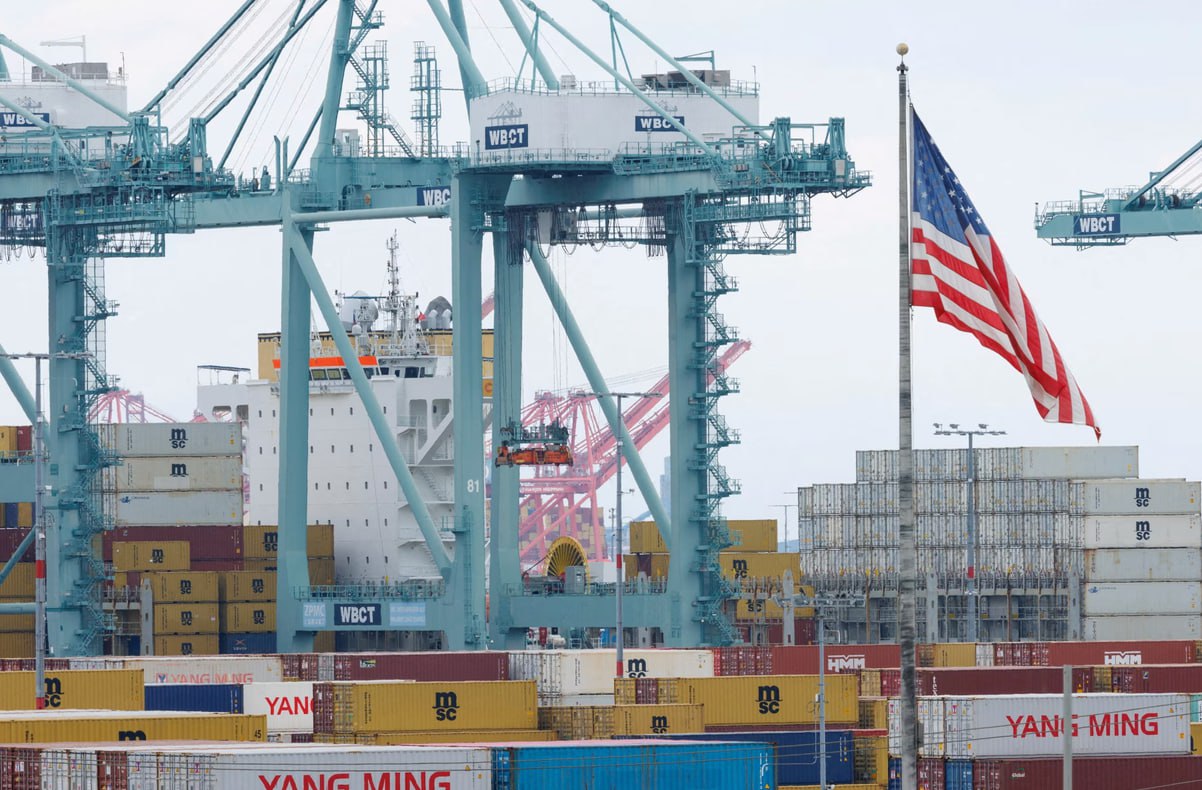
The US Supreme Court’s ruling on tariffs imposed under the International Emergency Economic Powers Act (IEEPA) may trigger a wave of recalculations, claims, and new tariff measures from the administration.
This was reported in the weekly Freight Forward review by supply chain analyst Kathy Morrow Roberson (publication dated February 23, 2026), with references to Financial Times and The Wall Street Journal. The US Supreme Court overturned these tariffs in a 6-3 decision, with a majority of justices noting constitutional violations in the use of “emergency” tariff measures.
Source: LinkedIn Freight Forward.
What Happened Immediately After the Decision
Immediately following the ruling, the US President announced a global 10% tariff to replace much of the duties declared unlawful. The next day, the rate was raised to 15%. For the market, this means that the removal of one tariff framework can quickly be replaced by another – and cost calculations for imports/exports must be updated promptly.
Why Compensation Matters
According to Customs and Border Protection, IEEPA tariffs generated $133.5 billion. Industry associations, including the US Chamber of Commerce and National Retail Federation, immediately began advocating for reimbursement of billions in duties paid since the tariffs were implemented.
What Companies and Importers Should Do
This increases pricing and documentation uncertainty: which rates are currently in effect, what will happen with already paid duties, and how to properly process new shipments. If you need a risk assessment for US routes and preliminary shipping budget calculations – contact the GlobalPost business team.
GlobalPost Monitors International Logistics Changes
We regularly track regulator decisions and key trends in supply chains to provide clients with practical and up-to-date information.
Source: The Wall Street Journal

American logistics giant United Parcel Service (UPS) has announced plans to close 22 package sortation facilities in the first half of 2026.
The closures will affect centers in cities such as Dallas, Miami, Atlanta, Baltimore, and others. These changes are part of the company’s strategy to optimize its network and reduce excess capacity. According to FreightWaves, the closures will impact facilities in 18 U.S. states and up to 30,000 operational positions.
Reasons for Facility Closures
UPS cites a decline in processing volumes due to a reduced share of parcels from major clients and ongoing automation under the “Network of the Future” program. Closing these facilities will allow the company to optimize routes, reduce costs, and focus on more profitable areas. (Supply Chain Dive)
Implications for Business and Logistics
Although these closures occur in the U.S., Ukrainian companies importing goods from the U.S. or using UPS for international shipping may experience changes in processing times and potential cost increases. Businesses should proactively review delivery routes, consider redistribution of volumes among remaining facilities, and explore alternative logistics solutions.
For consultation on international shipping and optimizing routes from the U.S., contact GlobalPost specialists.
GlobalPost.ua continues to monitor key trends in international logistics and provides timely information to help Ukrainian companies efficiently plan their shipments.
Source: Freightwaves
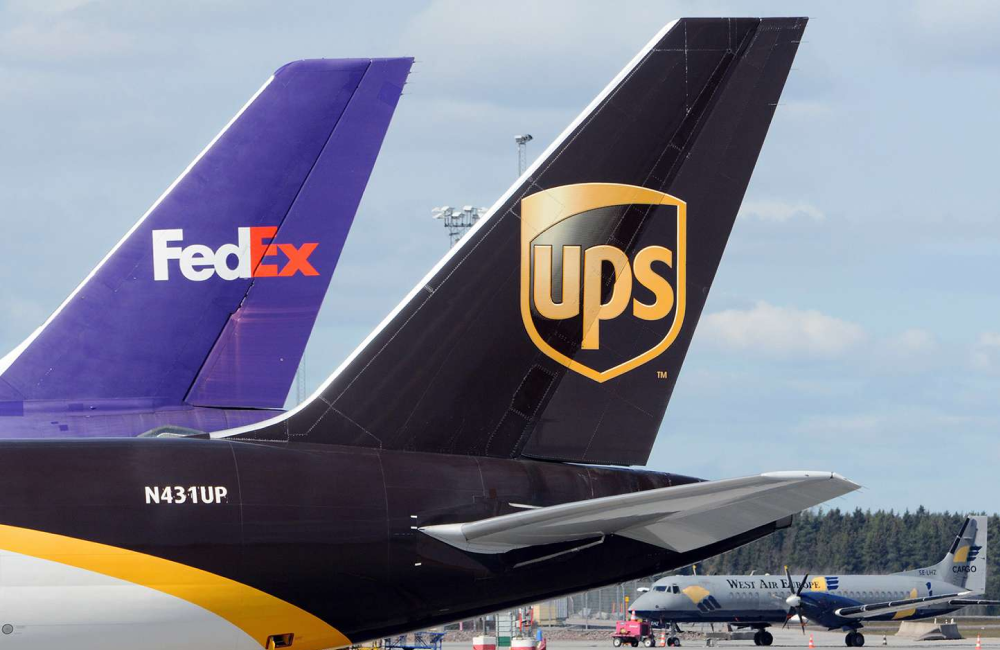
FedEx and UPS have announced the expansion of their air routes within the Asia-Pacific region, reflecting the growing demand for fast and reliable air transportation across the region.
According to industry analysts, leading global express carriers are adapting their networks to shifts in international trade. Amid declining demand for trans-Pacific shipments and increasing economic pressure, FedEx and UPS are focusing on the intra-Asian market — one of the most dynamic in the world.
FedEx network expansion
FedEx is launching new routes connecting key logistics hubs in Asia: Guangzhou, Penang, Bangkok, and Hanoi. The company is increasing flight frequency and optimizing transit points, which helps reduce delivery times within the region and enhance the reliability of supply chains.
UPS steps in the region
UPS is also strengthening its air network across Asia, improving accessibility for customers in Southeast Asian countries. Demand continues to grow for air transportation of high-value and time-sensitive cargo that requires fast transit and a stable schedule.
Importance for international logistics
The intra-Asian air cargo market is becoming a major growth driver. The expansion of FedEx and UPS networks enhances trade flows and creates new opportunities for companies importing or exporting goods through Asian markets.
For Ukrainian businesses, this means more predictable delivery times, additional routes, and new logistics solutions when working with suppliers in Asia.
GlobalPost continues to monitor all legislative changes and their impact on the international delivery market. We always publish up-to-date information for our clients and partners.
If you need parcel or cargo delivery to Ukraine — more information is available on the page.
If you need to send a parcel or cargo for export from Ukraine — use this link.
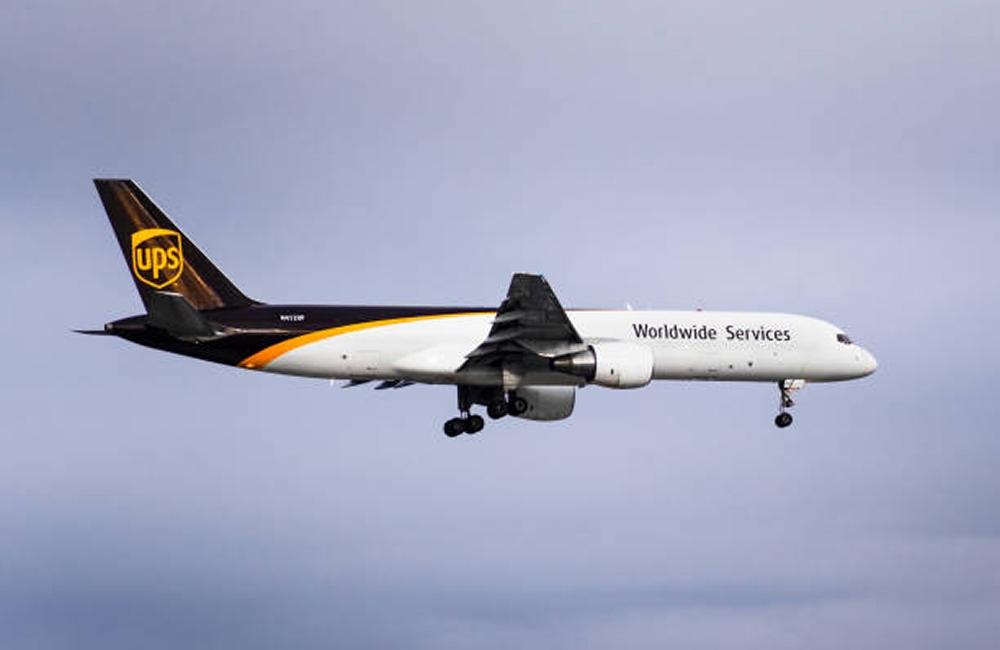
The U.S. National Transportation Safety Board (NTSB) reported that the UPS Airlines crew attempted to regain control before the crash of the McDonnell Douglas MD-11 cargo plane in Louisville.
What happened
According to the NTSB, the incident occurred 37 seconds after takeoff. A warning alert sounded in the cockpit, and the pilots tried to stabilize the aircraft, which climbed to about 30 meters before veering off the runway and colliding with structures within the airport area.
Preliminary investigation findings
Investigators determined that the left engine detached from the wing during the climb. This technical malfunction may have been a key factor in the loss of control and subsequent crash.
Regulators’ response
Following the incident, the U.S. Federal Aviation Administration (FAA) recommended unscheduled inspections of all MD-11 and MD-11F aircraft, which are actively operated by cargo carriers UPS and FedEx.
Possible impact on logistics
Experts note that such inspections may temporarily affect international air freight schedules and increase the load on alternative logistics routes.
GlobalPost monitors all current trends in the world of logistics. Find more useful information on our website.
Source: Reuters

The National Bank of Ukraine has proposed introducing taxation on international parcels worth up to €150, which are currently exempt from taxes. According to the regulator, this step would help reduce imports of non-essential goods and ease pressure on the country’s balance of payments amid the ongoing war.
Balance of Payments Deficit
According to the NBU’s October Inflation Report, Ukraine’s current account deficit for the first nine months of 2025 reached about $24.9 billion. The main reasons cited are strong consumer demand and significant defense spending.
Restricting “Non-Critical” Imports
Instead of raising taxes across the board, the NBU suggests focusing on targeted measures to limit imports — in particular, taxing international parcels worth up to €150. The regulator believes this would help curb non-critical imports without harming the country’s defense capabilities or posing major economic risks.
Why It Matters
The NBU’s initiative signals that the government is seeking ways to reduce the outflow of foreign currency caused by consumer imports. If the proposal is implemented, every international parcel ordered from online stores such as AliExpress, Amazon, or Shein by individuals may become subject to taxation. This would make foreign online purchases more expensive for Ukrainians but would also increase budget revenues and reduce pressure on the foreign exchange market.
GlobalPost closely monitors all current developments in international logistics and customs regulation. You can always find more useful information on our website.
If you need to send a parcel or cargo for export from Ukraine — use this link.
To calculate delivery costs, use our rate calculator.
Source: Minfin.com.ua

President Donald Trump has signed an executive order introducing increased tariffs on furniture and wooden products manufactured outside the United States.
According to the document, starting October 14, the import duty on upholstered furniture (sofas, armchairs, beds) and kitchen cabinets will be 25%, while wood and lumber will be subject to a 10% tariff. Beginning January 1, 2026, the rate for furniture will increase to 30%, and for cabinets and components — to 50%.
Which countries will be affected less
Imports from the United Kingdom will be subject to a 10% tariff, and imports from EU countries and Japan — 15%. If a product falls into multiple categories (e.g., furniture and auto parts), the higher rate will apply.
The reason behind the tariffs
The U.S. Department of Commerce conducted a Section 232 investigation, which concluded that the high volume of furniture and wood imports poses a threat to national security. The new tariffs are intended to support American manufacturers and reduce reliance on imports from Asia.
What this means for GlobalPost clients
Clients who order furniture or wooden products from the U.S. should be aware of possible price increases. If you are exporting furniture or wood from Ukraine to the U.S., make sure to check the current tariffs and customs requirements before shipping.
GlobalPost closely monitors all relevant trends in international logistics and customs regulation.
If you need to send a parcel or shipment from Ukraine — use this link.
Source: SUPPLYCHAINDIVE

The International Monetary Fund (IMF) has proposed that Ukraine change its current rules for taxing international parcels. According to the Fund’s experts, the current duty-free import threshold may reduce the efficiency of budget revenues and create unequal conditions for businesses.
What is being discussed
Currently, Ukrainians can receive parcels from abroad without paying customs duties and VAT if their value does not exceed 150 euros. However, the IMF recommends changing this approach and considering the collection of VAT on all parcels, regardless of their value. According to the Fund, this would help prevent order splitting and increase tax revenues.
The position of the Ukrainian side
Danylo Hetmantsev, head of the parliamentary committee on finance, tax and customs policy, confirmed that this issue is indeed under discussion. At the same time, any changes will take into account the interests of both consumers and businesses.
Impact on the market
Changes to tax rules may directly affect international postal and courier shipments. For logistics companies, this will mean the need to adapt to new cargo clearance conditions. Consumers, in turn, should be prepared for the fact that the cost of orders from abroad may increase if the duty-free threshold is lowered.
GlobalPost continues to monitor all legislative changes and their impact on the international delivery market. We always provide up-to-date information for our clients and partners.
If you need delivery of your cargo or parcels to Ukraine — more information is available on this page.
If you need to send a parcel or cargo for export from Ukraine, use this link.
Source: Liga.net (Finance)

The largest American express delivery operator UPS has announced the introduction of new, significantly higher additional surcharges for the peak season. The new rates will be in effect from September 28, 2025, to January 17, 2026.
What changes UPS is introducing
The company is implementing several types of surcharges that will affect both U.S. domestic and international shipments. The amount of the surcharge will depend on the category of the shipment and the client’s shipping volume.
Key surcharges include:
- Demand Surcharge: For standard parcels (including UPS Ground Residential and Air) will range from $0.40 to $2.05. For large customers shipping more than 20,000 parcels per week, the surcharge may reach $8.75 per unit.
- Additional Handling Surcharge: Will cost from $8.25 to $10.80 per parcel.
- Large Package Surcharge: Will range from $90.50 to $107 per such parcel.
- Over Maximum Limits Surcharge: The highest fee, ranging from $485 to $540 per shipment.
Reasons for the increase
UPS explains the new rates as necessary to manage the sharp increase in parcel volumes during the holiday season, which traditionally lasts from late November to late December. The introduction of these surcharges is also aimed at increasing revenue per parcel and stabilizing network operations amid unpredictable e-commerce demand.
What this means for customers
For businesses, especially those actively working with the U.S. market, this means the need to plan logistics budgets in advance for the end of 2025.
GlobalPost closely monitors all current trends in the logistics industry, and you can always find plenty of useful information on our platform.
If you need to send a parcel or cargo for export from Ukraine, use this link.
Source: SUPPLYCHAINDIVE

The Cabinet of Ministers of Ukraine has approved a draft law on the international exchange of income information from digital platforms.
Essence of the initiative
The document provides for amendments to the Tax Code to harmonize with EU and OECD standards. Its adoption will allow Ukraine to join the global system of automatic exchange of data on the income of users of platforms such as Airbnb, Booking, Amazon, and others.
How it will work
Information on the income of Ukrainians will be received by the State Tax Service from platform operators and through international exchange. The platforms themselves will act as tax agents, which will relieve most users from the obligation to file tax returns.
Tax rules
- Personal income tax rate of 5% — for individuals without employees and with a separate account, if annual income ≤ UAH 6.7 million.
- General rate of 18% — for other categories.
- One-time sales up to UAH 36,336 per year are not taxed.
Advantages
- For citizens – transparency and trust.
- For business – fewer inspections and simpler administration.
- For the state – combating the shadow economy and integration into the EU tax space.
Next step
The draft law has been submitted to the Verkhovna Rada for consideration. Its adoption is a prerequisite for Ukraine’s accession to the multilateral DPI MCAA agreement, which has already been signed by 29 EU countries.
GlobalPost monitors all relevant changes in the world of logistics and economics.
Source: Ministry of Finance of Ukraine
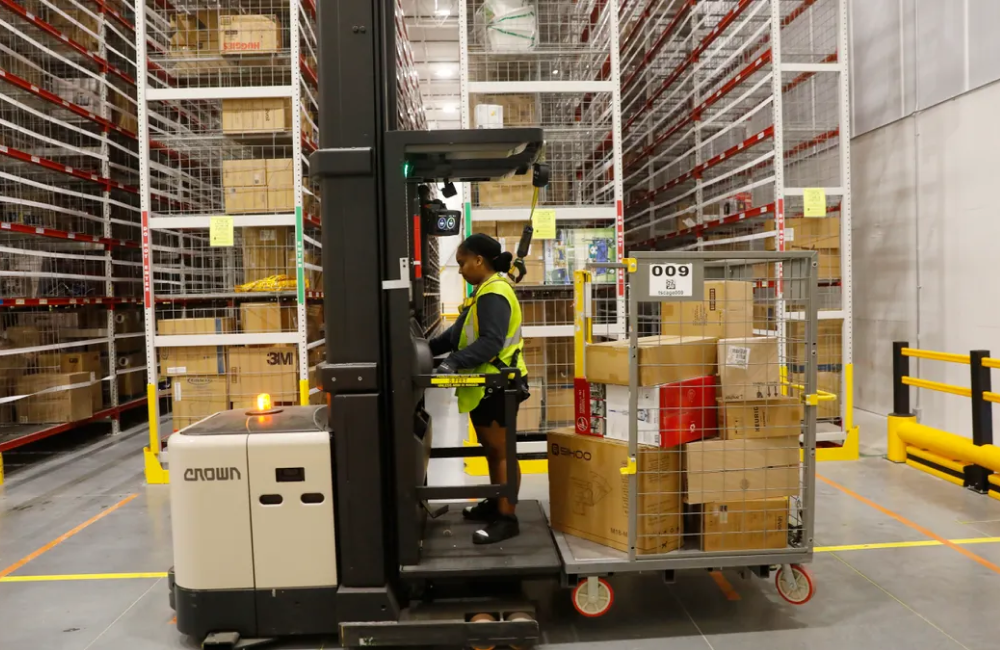
Changes apply to FBA, Remote Fulfillment (Canada and Mexico), Multi-Channel Fulfillment, and Buy with Prime. Sample rates:
- phone case — Standard rate $3.15 / Peak season $3.34
- t-shirt (large standard) — Standard rate $4.67 / Peak season $5.00
- monitor (extra-large, 50–70 lbs) — Standard rate $51.37 / Peak season $54.18
Reasons for stability
Amazon explains the decision by improving network efficiency: route optimization, better packaging consolidation, and lower customer service costs have allowed them to keep rates at the 2024 level.
Competition
Walmart, in turn, announced the elimination of storage fees until the end of December and discounts on Multi-Channel Fulfillment, which puts additional pressure on Amazon in the logistics sector.
Recommendations for sellers
Amazon advises sending products to warehouses in advance before the peak season starts to ensure fast delivery during Black Friday and Cyber Monday.
GlobalPost monitors all the latest trends in the logistics world, and you can always find a lot of useful information on our resource.
If you need to ship a parcel or cargo for export from Ukraine, use this link.
Direct delivery to Amazon warehouses — details on the page.
Source: SUPPLYCHAINDIVE
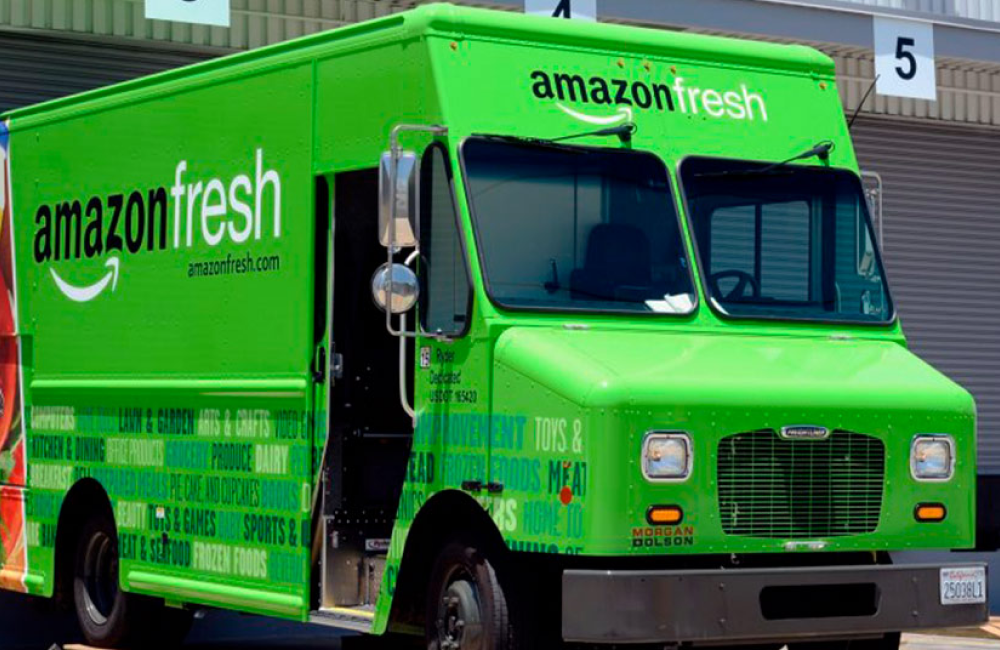
Amazon has launched a same-day delivery service for perishable groceries in even more regions across the US, intensifying competition in the online grocery market.
Service expansion
The new delivery format covers meat, vegetables, fruits, and other perishable goods. As of now, the service is already available in more than 1,000 US cities, including Raleigh, Tampa, Milwaukee, and other regions. By the end of the year, Amazon plans to launch it in over 2,300 regions. The service operates separately from the existing Amazon Fresh and Whole Foods, complementing them.
Impact on competitors
The expansion immediately affected the stock market: Instacart shares fell by 11%, Kroger — by 4%, Walmart — by 3%, and Ahold Delhaize — by 1%. This reflects serious concerns among market players about Amazon’s strengthened position in the grocery delivery segment.
Current market situation
Currently, Amazon’s share of digital grocery sales exceeds 20%, while Walmart remains the leader with over 30%. Analysts predict that the new service will allow Amazon to significantly increase its share and put additional pressure on competitors.
GlobalPost monitors all current trends in the logistics world, and you can always find a lot of useful information on our platform.
If you need to send a parcel or cargo for export from Ukraine, please use this link.
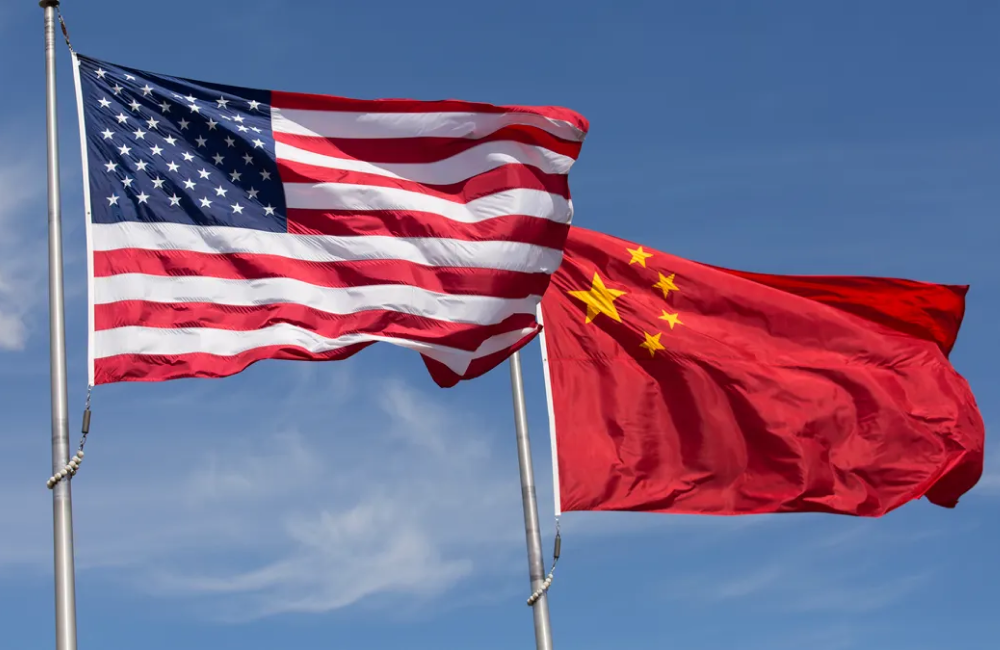
The US administration has announced the extension of the pause on raising additional tariffs on goods from China until November 10, 2025, giving both sides more time for negotiations.
Background of the decision
The initial decision to impose additional tariffs of around 30% (10% base tariff and 20% related to the fentanyl issue) has been in effect since May 14, 2025. In response, China imposed about 10% tariffs on US exports. In June, the parties agreed to a 90-day pause, which was set to expire on August 12.
Reasons for the extension
According to the US government, the extension of the pause became possible due to “significant steps” taken by China in response to US concerns over trade and security. Maintaining the current tariff rates will help avoid rising business costs ahead of the peak delivery season.
What’s next
The parties will continue negotiations on key issues: trade imbalance, intellectual property protection, industrial subsidies, technology exports, access to semiconductors and rare earth materials, as well as combating the illegal production of fentanyl.
Impact on logistics
For the logistics sector, keeping tariffs at the current level means cost stability in the coming months and predictability for supply planning. However, after November 10, there is a risk of a return to tariff escalation if no compromise is reached.
GlobalPost monitors all current trends in the logistics world, and you can always find a lot of useful information on our platform.
If you need delivery of your cargo or parcels to Ukraine — more information is available on the page.
If you need to send a parcel or cargo for export from Ukraine, please use this link.
Source: SUPPLYCHAINDIVE

On July 30, 2025, U.S. President Donald Trump signed an executive order temporarily suspending the de minimis duty-free regime for all countries except international postal shipments.
What was signed?
According to the order, the duty-free de minimis regime provided under Section 321 of the Tariff Act of 1930 is temporarily suspended for all countries. This means that goods previously eligible for import without duties under the $800 threshold will now be subject to standard customs clearance and taxation.
When does it take effect?
The suspension takes effect on August 29, 2025, 30 days after the executive order was signed.
New taxation rules for shipments:
- Private couriers (FedEx, UPS, DHL, etc.): all packages, even those under $800, are now subject to duties and taxes under general rules.
- International mail (government postal services): temporarily (for 6 months), a fixed duty of $80–$200 per parcel applies. After this period, they will also switch to the standard taxation system.
For gifts between private individuals, the $100 duty-free limit remains in place if the package is marked as “Unsolicited Gift” and sent from one individual to another.
Reasons
The order states that the de minimis regime undermines U.S. tariff policy, allows circumvention of national security measures, and facilitates the uncontrolled import of prohibited substances. The administration emphasizes that this loophole is widely used by suppliers from countries engaging in unfair trade practices.
GlobalPost monitors all current trends in the logistics world, and you can always find a wealth of useful information on our platform.
If you need to send a parcel or cargo for export from Ukraine, use this link.
Source: WhiteHouse
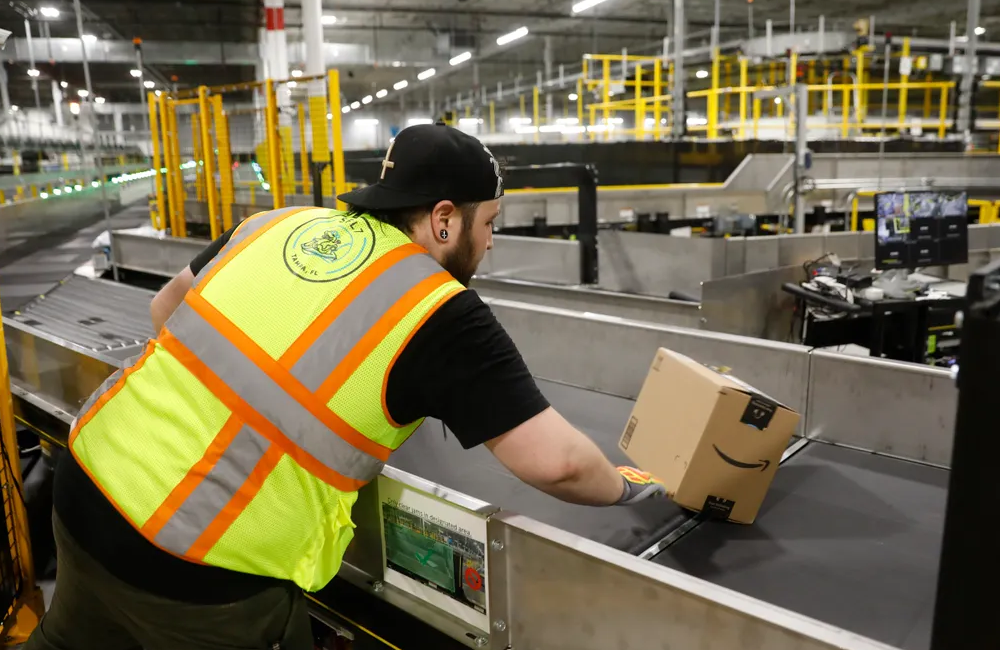
Starting January 1, 2026, Amazon will discontinue its FBA Item Label Service for sellers using the Fulfillment by Amazon model in the U.S.
What’s changing
The service previously allowed Amazon to apply barcodes (FNSKU) to individual units on behalf of sellers. From January 1, 2026, suppliers will be required to label their products themselves or switch to using the Manufacturer Barcode model.
Who is affected
This change impacts FBA sellers who relied on Amazon to apply individual labels. The alternatives are switching to other labeling models or using third-party prep services.
What Amazon recommends
Sellers are advised to:
- Check if their products are eligible for the Manufacturer Barcode system.
- If needed — switch to self-labeling or partner with prep services.
- Update their settings in Seller Central by December 31, 2025.
Reason for the change
Amazon has not stated a specific reason but points to its goal of simplifying logistics operations, reducing manual handling, and speeding up processing times.
GlobalPost keeps a close eye on all relevant trends in the logistics world — you can always find useful information on our website.
If you sell products on Amazon, Etsy, or eBay and ship them to a warehouse or fulfillment center, GlobalPost organizes delivery from Ukraine to the U.S., EU, or the UK — including to Amazon FBA warehouses or prep centers. Learn more on the dedicated page.
If you need to ship cargo or a parcel to Ukraine — find more information on this page.
If you need to send a parcel or cargo from Ukraine for export — go to this link.
Source: SUPPLYCHAINDIVE
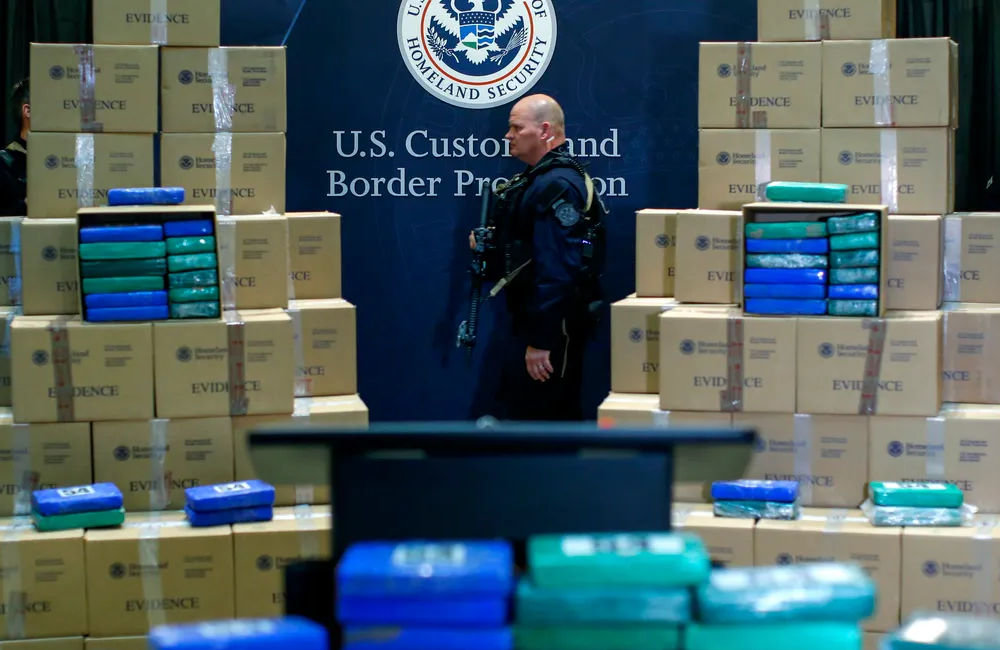
The U.S. administration is ending the de minimis rule that allowed duty-free imports of parcels valued up to $800 — the new regulations will take effect on August 29, 2025.
What will change?
Starting August 29, 2025, all imported shipments to the U.S., regardless of the country of origin, will no longer be exempt from customs duties — even if their value does not exceed $800. This means that parcels from online stores such as Temu, Shein, eBay, Etsy, or other platforms will now be subject to applicable customs tariffs.
Exception for postal services
International postal operators (e.g., national postal services) will have a six-month transition period — until March 2026. During this period, their shipments will be subject to one of the following options:
- payment of duties at standard rates based on the country of origin; or
- payment of a fixed fee ranging from $80 to $200 per item.
After March 2026, all postal shipments will fully transition to the ad valorem customs model.
What remains unchanged?
- Traveler exemptions: individuals returning to the U.S. can still bring in goods valued up to $200 duty-free.
- Gifts: items sent as a “gift” valued up to $100 will continue to be exempt from taxation.
Background of the decision
This decision follows the removal of a similar exemption for imports from China and Hong Kong in May 2025. The purpose of the new rules is to combat tariff evasion and prevent the import of illegal goods.
GlobalPost closely monitors all current developments in the world of international logistics. Find more useful information on our website.
If you need to send a parcel or cargo for export from Ukraine — use this link.
To calculate delivery costs, feel free to use our convenient rate calculator.
Source: SUPPLYCHAINDIVE
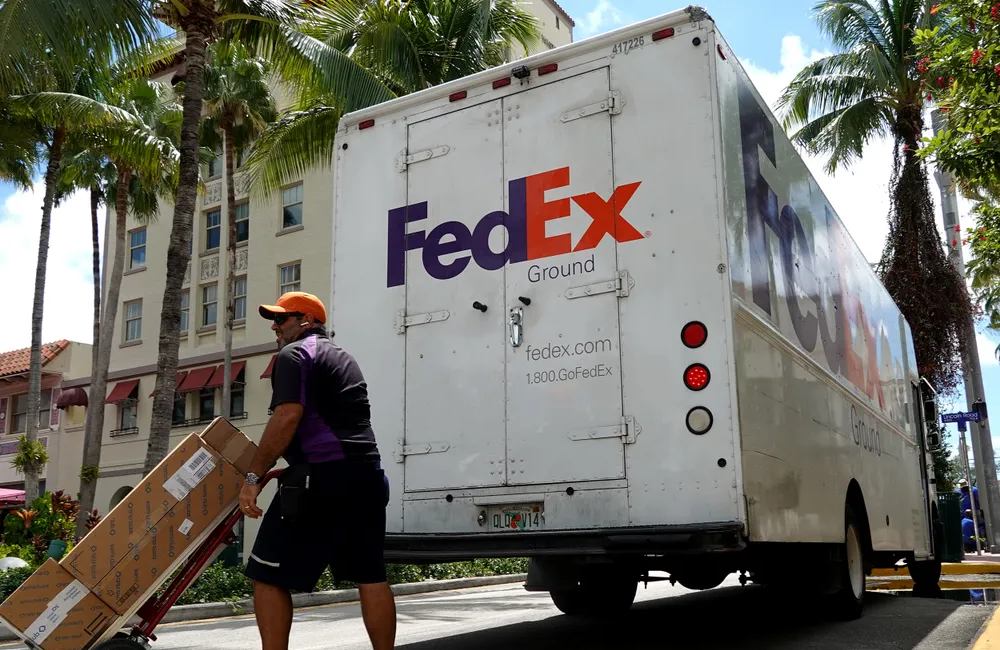
FedEx has announced a change to the dimensional weight calculation method, which will take effect on August 18, 2025 — the update will affect most domestic shipments within the United States.
What’s changing
The key change is in the new rounding rule for dimensions. From now on, any fractional value of length, width, or height will be rounded up to the next whole number. The divisor in the formula (139) remains unchanged. However, due to the new rounding method, the calculated (dimensional) weight of packages will increase, leading to higher shipping costs.
Who will be affected
The changes will apply to FedEx Express and FedEx Ground shipments within the U.S. International shipments and FedEx One Rate remain unaffected.
Recommendations
Shippers are advised to review the standard dimensions of their packaging and make adjustments if needed to avoid increased costs after August 18.
GlobalPost closely monitors all current trends in the logistics industry, and you can always find plenty of useful information on our platform.
If you need to send a parcel or cargo for export from Ukraine — follow this link.
To calculate the delivery cost, you can use our calculator.
Source: SUPPLYCHAINDIVE

In the second quarter of 2025, the average cost of parcel shipping by FedEx and UPS increased by 32% compared to January 2018.
This growth reflects a general rise in base rates, reduced discounts, and increased surcharges. Compared to the second quarter of 2024, the increase is 6 percentage points (in Q2 2024 — 26.2%).
What influences shipping rates
According to the Cowen/AFS Index, the key factors include fuel surcharges, residential delivery fees, and additional handling charges. Carriers are increasingly using surcharges to boost revenue while simultaneously reducing discounts.
What changes are being observed
FedEx Ground and UPS Ground saw the most significant increases — 4.4% and 3.9% respectively compared to Q1 2025. The express delivery segment remained stable.
Trends and forecast
AFS projects that in Q3 2025, ground shipping rates will rise by 29.2% compared to the 2018 baseline. Express delivery rates are expected to rise by 2.3%.
Conclusion
The shipping market continues to trend toward rising costs and the redistribution of rate structures through surcharges. It’s important for shippers to consider not just the base rate but also hidden costs.
GlobalPost closely monitors all current logistics trends, and you can always find valuable insights on our platform.
If you need to ship a package or cargo to Ukraine — more information is available on this page.
If you want to send a parcel or cargo for export from Ukraine — follow this link.
Source: SUPPLYCHAINDIVE

FedEx continues implementing its Network 2.0 strategy and has already closed 100 logistics points in the U.S.
What’s happening
FedEx is undertaking a large-scale integration of its Express and Ground delivery networks as part of the Network 2.0 program. This means that pickup and delivery services, which were previously handled by separate divisions, are now being combined into a single system.
Purpose of the changes
The company aims to simplify logistics, reduce route duplication, and improve operational efficiency. With Network 2.0, customers receive service through a single point of contact instead of dealing with two different couriers.
Current status
As of May 31, FedEx has closed 100 ship centers in the U.S. These closures are accompanied by process optimization and the transition of other branches to the new operating model. Company representatives emphasize that these changes will not affect delivery times for customers.
Management’s position
FedEx CEO Raj Subramaniam stated that the program will continue and that the network integration is already delivering positive results. FedEx highlights that Network 2.0 is not just about downsizing but a step toward a more resilient and flexible logistics model.
GlobalPost monitors all current trends in the world of logistics, and you can always find plenty of useful information on our platform.
If you need to ship cargo or parcels to Ukraine — more information is available on this page.
If you need to send a parcel or cargo for export from Ukraine — use this link.
Source: SUPPLYCHAINDIVE

Summer changes from two leading U.S. carriers may affect parcel delivery costs, especially for online sellers.
FedEx introduces fuel surcharge for Ground Economy
FedEx has announced the introduction of a fuel surcharge for shipments under the Ground Economy rate. Previously, this service was exempt from fuel fees. Now, surcharge rates will be updated weekly and published in the official FedEx table. This change may impact small and medium-sized e-commerce businesses, particularly those using the most affordable delivery options.
UPS remains unchanged for now
At this time, UPS has not announced any new surcharges. However, current market conditions and competition may lead to changes in the near future.
What this means for businesses
Online stores operating in the U.S. market should take the new FedEx surcharges into account when calculating logistics costs. Choosing between FedEx and UPS will become even more strategic — especially for budget or oversized shipments.
GlobalPost tracks all current trends in the logistics world, and you can always find useful insights on our platform.
If you need to send a parcel or cargo for export from Ukraine — use this link.
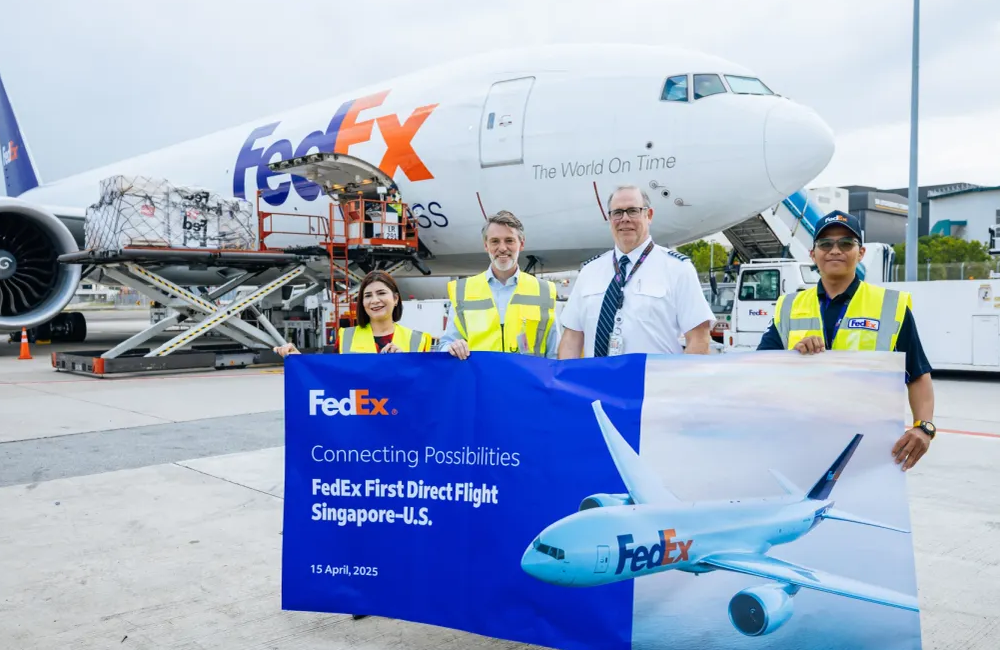
Amid the cancellation of tax exemptions for small shipments from China, FedEx has cut up to 50% of its cargo volumes on the Asia–America route and launched new routes.
Why FedEx is reducing capacity
Since early May, FedEx has reduced the volume of air cargo transportation between Asia and America by more than 35%. On certain routes, the reduction has reached up to 50% of the capacity previously provided to third-party companies. This decision was made in response to a drop in e-commerce demand caused by changes in U.S. customs regulations.
What changed in the rules
The key reason behind the decline in demand is the elimination of U.S. tax exemptions for small shipments (de minimis). Previously, goods valued up to $800 could be imported into the U.S. without duty, a benefit widely used by Chinese exporters. The new tariff rules have reduced the attractiveness of such shipments.
How FedEx is adapting
The capacity reduction is a direct response by the company to changing market conditions. FedEx is adjusting its network in response to global trade flow shifts to maintain operational efficiency.
GlobalPost monitors all current trends in the logistics world, and you can always find valuable information on our platform.
If you need to ship cargo or parcels to Ukraine — more details are available on this page.
Source: SUPPLYCHAINDIVE
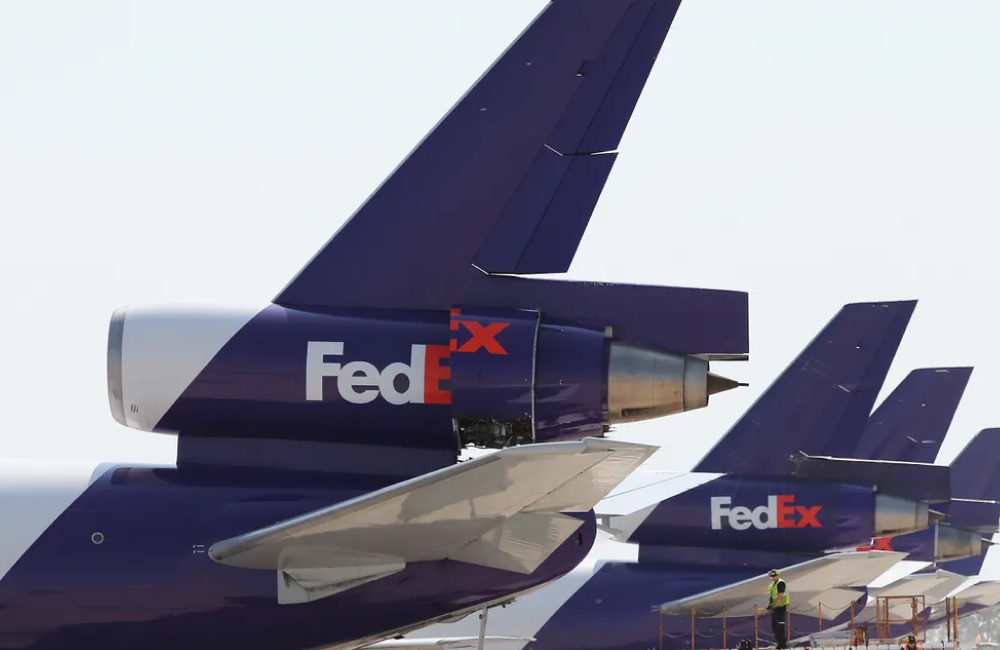
FedEx has created a new division focused on serving the automotive industry — with an emphasis on growth in B2B logistics.
A new strategy from the logistics giant
During its latest earnings call, FedEx announced the launch of a dedicated Auto Vertical division — with its own team and leadership. According to Chief Commercial Officer Brie Carere, the company has already been named a Supplier of the Year by General Motors, confirming the success of this new approach.
Why automotive logistics?
The automotive industry is highly profitable. According to FedEx, the premium automotive logistics market in North America is valued at $18 billion, and the company is actively expanding its presence in this segment. Unlike e-commerce, B2B sectors offer stable profits with less volume fluctuation.
Part of a broader strategy
In addition to automotive logistics, FedEx is also developing services in healthcare, small business, domestic e-commerce, and expanding in Europe. For example, in the healthcare sector, the company has already secured $400 million in annual revenue by implementing specialized hubs and FedEx Surround monitoring technologies.
Conclusion
FedEx is shifting its focus from mass e-commerce to resilient B2B segments. For clients, this means more reliable logistics solutions in the automotive, pharmaceutical, and industrial sectors.
GlobalPost monitors all current trends in the logistics world, and you can always find plenty of useful information on our platform.
If you need to send a parcel or cargo for export from Ukraine, use this link.
To calculate the shipping cost, you can use our convenient rate calculator.
Source: SUPPLYCHAINDIVE
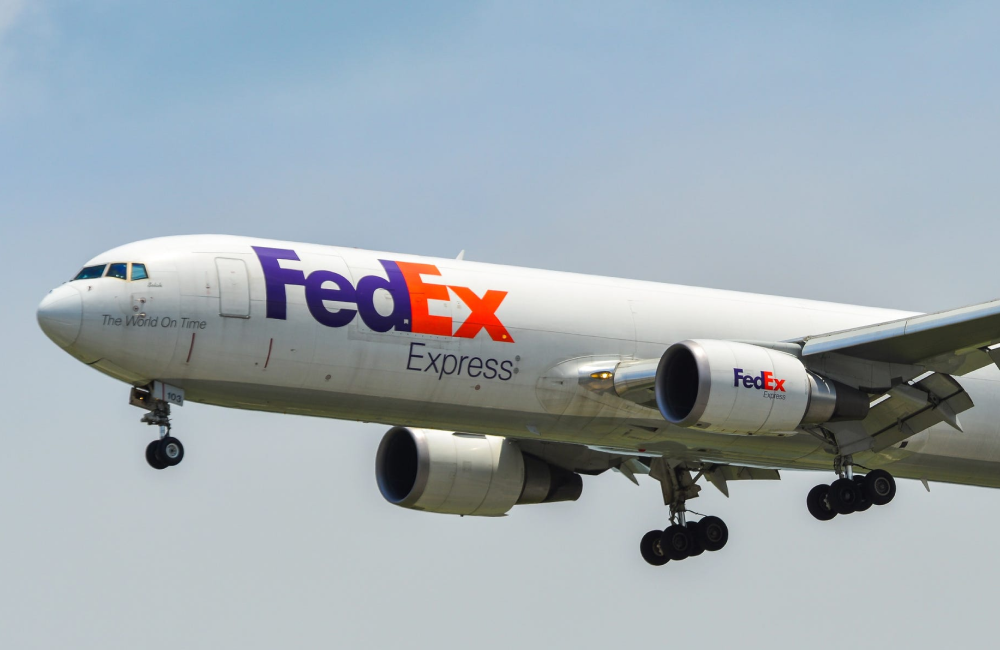
FedEx is analyzing and rethinking its logistics model in light of global shifts in supply chains and geopolitical challenges.
Trends FedEx is responding to
The global supply chain is undergoing changes: manufacturing and volumes are shifting from China to other regions, particularly Mexico, India, and Southeast Asian countries. These shifts are driven by geopolitical tensions and the desire to reduce dependency on a single source.
Mexico as a logistics hub
FedEx highlights the growing importance of Mexico as a logistics center, especially for e-commerce. The company notes an increase in regional manufacturing, prompting the need to adapt its logistics presence.
Flexibility as the key to adaptation
FedEx is not announcing radical route changes but clearly acknowledges that future success depends on the ability to respond quickly to the new reality. The company is adapting its approach to investments, routes, and services in light of the global reconfiguration of trade.
GlobalPost closely monitors key shifts in global logistics.
More details on exports from Ukraine — on the page.
Calculate your delivery cost online using our calculator.
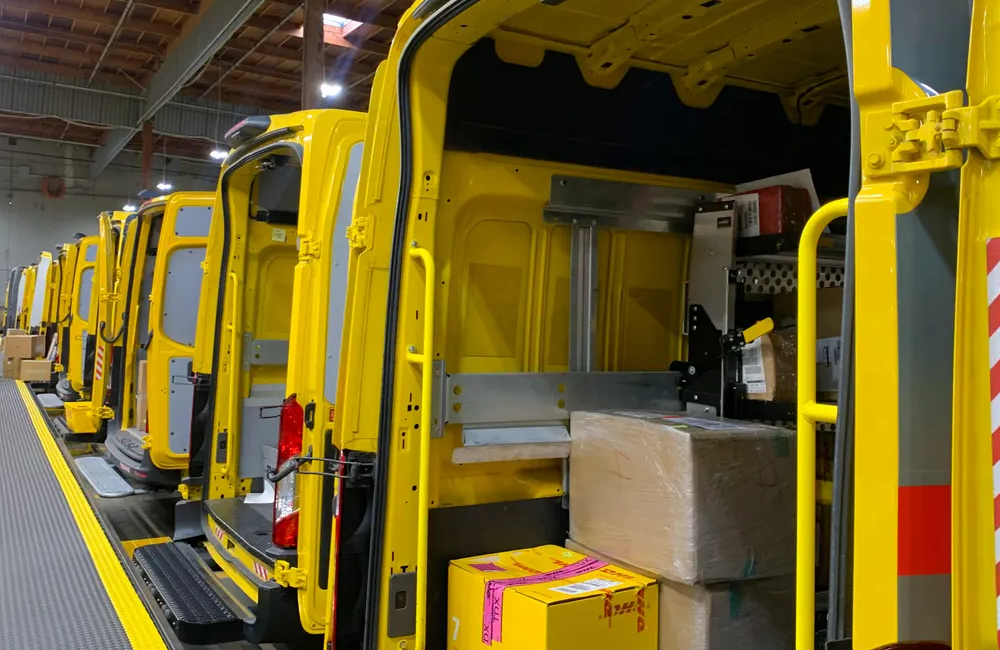
DHL Express Canada and the Teamsters Canada union have signed a new collective agreement, avoiding disruptions in the national logistics network.
What happened
After lengthy negotiations that began in the spring, DHL Express and the union reached an agreement on a new labor contract. The deal covers approximately 3,000 employees across 15 locations throughout Canada, including major hubs in Vancouver, Toronto, and Montreal.
Contract terms
While final details have not been disclosed, the company confirmed that the agreement is aimed at improving working conditions and supporting operational stability. The union is expected to hold a vote among employees to formally ratify the agreement.
What it means for customers
DHL Express continues to operate as normal, and the threat of logistics disruptions has been lifted. For businesses working with Canada, this ensures uninterrupted deliveries and minimizes supply chain risks.
GlobalPost monitors all key developments in international logistics.
Detailed information on sending parcels and cargo from Ukraine is available on this page.
To quickly calculate shipping costs, use the online calculator.
Source: SUPPLYCHAINDIVE

Frederick Smith, founder of FedEx, visionary, and one of the key architects of modern logistics, has passed away.
An industry legend
Frederick Smith died on June 21 at the age of 80. His ideas laid the foundation for express delivery as we know it today. In 1971, he founded Federal Express, investing his own funds and creating the “next-day delivery” model, which later became the industry standard.
Impact on logistics
Under his leadership, FedEx not only became a global logistics giant but also led the way in digitalization and automation in the delivery sector. Smith actively supported the implementation of digital waybills, fleet modernization, and the development of last-mile logistics.
Legacy
In 2022, he stepped down as CEO and took on the key role of Executive Chairman. His contributions have been recognized not only by the business community but also by governments around the world.
Today, FedEx employs over 500,000 people worldwide and delivers millions of parcels daily — all made possible by the vision of one man.
GlobalPost keeps track of the latest trends in the world of logistics, and you can always find valuable insights on our platform.
If you need to import parcels or cargo to Ukraine — more information is available on this page.
If you need to export parcels or cargo from Ukraine, use this link.

DHL Express has announced that starting June 20, it may temporarily suspend operations in Canada if no new agreement is reached with employees represented by the Teamsters Canada union.
What happened
DHL Express Canada stated that it may implement a temporary shutdown (lockout) if a new contract is not signed with approximately 3,000 workers across 15 locations nationwide. The current agreement expired back in March, and negotiations have not yet yielded results.
Reason for the conflict
The union is demanding higher wages, improved working conditions, and better safety measures. DHL noted that it had proposed a fair agreement that balances employee interests with business needs, but the union rejected the offer.
Potential consequences
The company warned customers: if no agreement is reached, DHL Express may halt operations throughout Canada as early as June 20. This could lead to delays in domestic and international shipments, particularly affecting the e-commerce sector.
What businesses should do
If your supply chain involves Canada, we recommend planning alternative delivery options in advance. Consider switching to other international carriers and inform your customers about possible delays.
If you’re planning shipments from Ukraine, please check the terms at this link.
GlobalPost closely monitors all major logistics developments worldwide. You can always find helpful updates on our website.
Source: SUPPLYCHAINDIVE
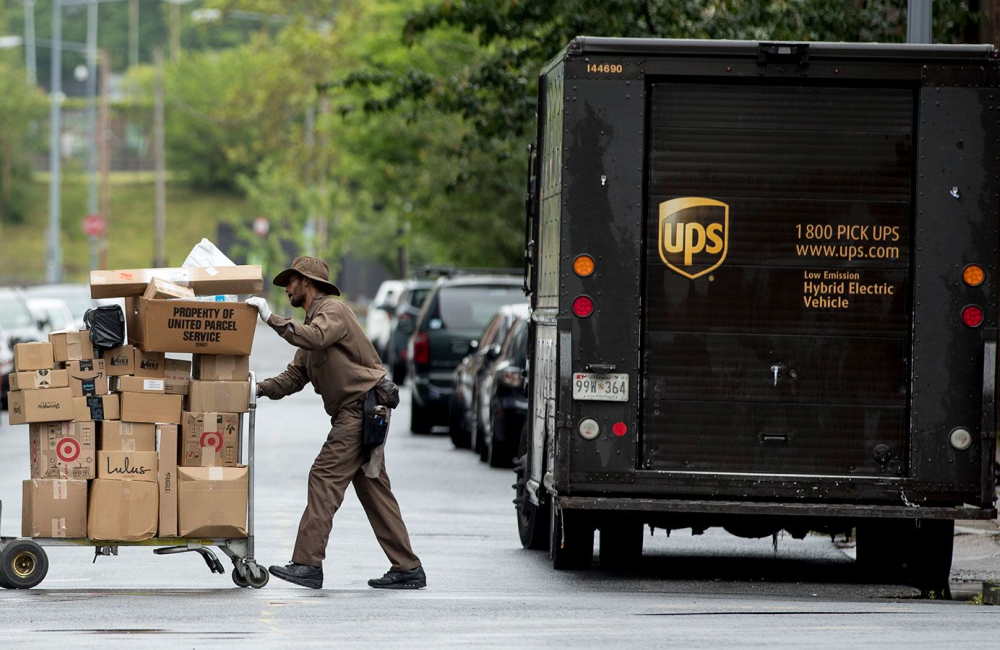
Starting June 2, 2025, UPS will introduce a new $12 fee for duty payment upon delivery (ICOD) for international shipments to the U.S. valued over $800.
What’s changing:
All parcels subject to customs clearance (duties, VAT, or other government fees) will incur an additional ICOD fee of $12 if these charges are not prepaid.
Who is affected:
This fee will be charged to the recipient in the U.S. upon delivery. To avoid additional costs, UPS recommends that recipients prepay duties online through the UPS International Pre Payment Application (IPPA).
What senders need to do:
To allow UPS to contact the recipient for prepayment, senders must provide accurate recipient contact information (name, phone number, and email) when processing the shipment. The payment link is also available in the UPS tracking system.
Detailed information is available on the official UPS website.
For Ukrainian customers shipping goods to the U.S., it is important to factor in these changes when planning logistics costs. If you need assistance or consultation regarding such shipments, our team is here to help.
More information about sending parcels and cargo from Ukraine is available on this page.
GlobalPost continuously monitors updates in international logistics to keep our clients informed of important changes.

DHL Group announces major investment in the GCC region to boost trade, logistics, and supply chain resilience in this strategically important area.
What happened
DHL Group plans to invest over $500 million in the development of logistics infrastructure in the Gulf Cooperation Council (GCC) countries by 2028.
What’s the goal
The investment will cover the creation of new automated logistics hubs, warehouse modernization, implementation of digital technologies, and enhanced customs integration. This is expected to improve the speed and efficiency of logistics, particularly in the e-commerce sector, and strengthen connections between Europe, the Middle East, Asia, and Africa.
Why it matters
The GCC region is one of the key transport hubs between East and West. Given the geopolitical instability in other parts of the world, strengthening logistics chains in this region is crucial for global business.
What this means for GlobalPost clients
These changes are expected to improve transit times, reduce delays, and expand delivery services to and from GCC countries. GlobalPost is already working with this region, and we’re ready to offer updated delivery solutions from the UAE, Saudi Arabia, Kuwait, and other Gulf countries.
GlobalPost monitors all important developments in the logistics world — read more news on our website.
If you need to ship cargo from the Middle East to Ukraine — use this page.
If you’re planning exports to the GCC countries — go to this link.
Source: STAT Times

DHL Express Canada has locked out over 3,000 workers after the Unifor union rejected the company’s demands.
Reasons for the conflict
According to Unifor’s official statement, the company sought major concessions in the labor agreement — including reduced guaranteed hours and changes to overtime pay. After months of negotiations, both sides failed to reach a compromise.
Impact on logistics
The lockout affects key DHL logistics hubs across Canada, including international operations. The union stated that the company’s decision could lead to major disruptions in supply chains.
Union response
Unifor called the company’s actions aggressive and unjustified. Union representatives emphasized that workers are standing up for fair and stable working conditions. Unifor is open to further talks if the company shows respect for its workforce.
To calculate the cost of international delivery from Ukraine, use our rate calculator.
GlobalPost monitors key developments in global logistics – read more news on our website.
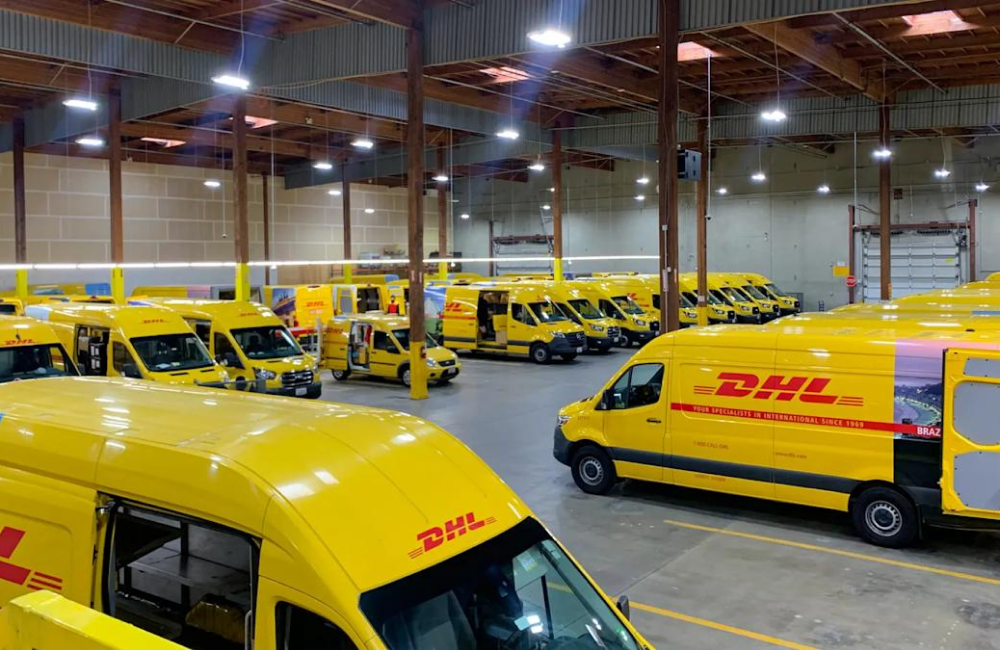
Over 90% of DHL Express employees in Canada have voted in favor of a strike if contract negotiations fail.
What happened
On June 3, the Teamsters Canada union announced that 97% of DHL Express workers supported the idea of going on strike. This concerns 3,000 employees across 15 facilities nationwide, including major logistics hubs in Toronto, Vancouver, and Montreal.
What workers demand
The key demands include higher wages, improved working conditions, and better safety. The current contract expired on March 31, and negotiations have been ongoing since then.
Possible consequences
If no agreement is reached soon, the strike could significantly impact international shipments, including import and export between Canada and the U.S., as well as transit to Europe.
What DHL says
DHL Express has stated that the company is “negotiating in good faith” and remains committed to reaching a “mutually beneficial” agreement.
What this means for GlobalPost clients
If you are sending or receiving shipments from Canada, we recommend:
- using alternative carriers where possible (FedEx, UPS);
- planning critical shipments in advance, with time reserves;
- contacting us directly for urgent shipments — we’ll quickly provide the best solution.
Even in the event of a strike, GlobalPost will ensure uninterrupted logistics thanks to our extensive partner network.
GlobalPost closely monitors the logistics situation in Canada.
If you need to send or receive cargo to or from Canada, check out our export page or our import page.
To calculate shipping costs, use our online rate calculator.
Source: SupplyChainDive

Amazon has announced the start of testing humanoid robots Digit at one of its warehouses in the US — a technology that could transform logistics worldwide.
What happened
Amazon has begun testing the humanoid robot Digit at one of its logistics centers in Texas. The robot was developed by the startup Agility Robotics, in which Amazon invested back in 2022. Digit has two legs and arms and is capable of lifting, moving, and sorting boxes while working alongside people.
Why it matters
This is the first time Amazon is using a humanoid robot in a day-to-day logistics process. The goal is not to replace workers, but to automate the most routine tasks, freeing people up for more complex operations.
What’s next
The testing will last for several months. If Digit proves to be effective, Amazon may scale its deployment across the entire network. The company says it sees potential for using such robots both in logistics and in future delivery services.
Context
Over the past five years, Amazon has automated more than 75% of logistics processes in its centers using robotics. The Digit test is the next step in developing this strategy.
GlobalPost monitors all current trends in the logistics world. You can always find useful information on our platform.
If you need to send a parcel or cargo for export from Ukraine – use this page.
To calculate delivery costs, use our online rate calculator.
Source: Reuters

DHL announced an expanded integration with Shopify, offering improved international shipping rates and direct access for merchants in the US and Canada.
Simplifying cross-border logistics for e-commerce
Shopify sellers can now automatically calculate international shipping costs via DHL Express and DHL eCommerce, receive tracking numbers, and generate export documents—without third-party apps. This simplifies fulfillment and reduces errors.
Competitive pricing and wide coverage
Shopify users will gain access to pre-negotiated DHL rates, enabling them to compete with marketplace sellers. For example, EU delivery may start from $14. International shipping is available to over 220 countries, including Ukraine.
Focus on small businesses
Salim Shaikh, SVP of eCommerce Solutions Americas at DHL, stated that the partnership is designed to support small and medium businesses aiming to go global with minimal setup and costs.
Integration is now live
DHL features can be enabled in a few clicks via the Shopify admin panel, without creating a separate DHL account. This is especially useful for small brands and individual merchants.
To calculate international shipping rates, you can use our rate calculator.
GlobalPost monitors all current trends in the logistics world, and readers can always find useful information on our platform.
Source: Supply Chain Dive
On May 28, 2025, the U.S. Court of International Trade ruled that President Donald Trump’s attempt to impose global import tariffs was unlawful.
What happened
The judges overturned an order based on “Section 232,” which would have allowed tariffs on a wide range of goods-including steel, aluminum, and finished products-regardless of origin. The ruling came in the Transpacific Steel LLC case, which argued that expanding tariffs violated congressional authority.
Implications
The court found that such powers are limited and must adhere to clear national security criteria. This casts doubt on any administration’s ability to impose trade restrictions under vague security claims. The decision may set a precedent, limiting future executive actions in trade policy.
Market response
Experts believe the decision will improve international trade predictability and reduce the risk of tariff-related volatility. Exporters from the EU and Asia, who were impacted by Trump’s tariffs in 2018–2020, particularly welcomed the ruling.
Read the original Bloomberg article
What it means for logistics
In the short term, the rollback of tariffs may reinvigorate transatlantic and trans-Asian supply chains. Export-oriented businesses shipping to the U.S. can expect more stable market access conditions.
To calculate shipping costs, you can use our rate calculator.
GlobalPost continuously monitors developments in global trade and keeps clients updated with the latest logistics insights on our website.

The European Union is considering introducing a special processing fee for online parcels entering the EU from outside the bloc.
Reasons and background
According to AirCargo News, the European Commission is evaluating the implementation of a fee of up to €1 per commercial parcel entering the EU from third countries, such as major e-commerce marketplaces and platforms. The main goal is to cover the costs incurred by customs authorities in handling the surge of small parcels, which has risen sharply in recent years due to the boom in online shopping.
Who will be affected?
If approved, the new fee will impact all businesses and individuals ordering goods from outside the EU. Preliminary estimates suggest tens of millions of parcels would be affected each year. The primary impact will be on EU buyers and on marketplaces shipping goods into Europe (such as AliExpress, Amazon, Shein, and others).
Motivation and prospects
The report notes that EU customs authorities are already overwhelmed by the sharp increase in small shipments. The proposed fee would help finance customs controls and speed up service processes. Experts expect that if the initiative passes, marketplaces or logistics operators will likely include the new fee in the final delivery cost for consumers.
Next steps
At the time of publication, the measure is still under discussion. The project is being reviewed within the European Commission, and implementation details will depend on agreement among EU member states.
What should businesses and customers do?
If the fee is introduced, it is advisable to account for this extra cost in pricing and logistics planning, and to inform end customers about potential increases in cross-border delivery costs.
GlobalPost closely monitors all developments in e-commerce and international logistics. Find more useful information on our website.
If you need to deliver your cargo or parcels to Ukraine – more information is available on the page.
If you need to send a parcel or cargo for export from Ukraine, use this link.
To calculate the delivery cost, you can also use our convenient rate calculator.
Source: AirCargo News

FedEx shifts strategy amid growing competition in the e-commerce segment, focusing on profitability over volume.
Priority – Profitability, Not Scale
At a recent Wolfe Research event, FedEx announced a strategic shift. Chief Marketing Officer Brie Carere stated that the company “is no longer competing for volume” and is instead focusing on profitable segments. This means moving away from low-margin contracts and reevaluating partnerships with major e-commerce clients, including Amazon.
Amazon Is No Longer a Key Client
Carere emphasized that Amazon ceased to be FedEx’s largest customer back in 2020. The company is aiming for diversification by focusing on a broader range of retailers. As part of the Network 2.0 strategy, FedEx is integrating ground and air services to reduce costs and improve flexibility.
Growth in the Small and Medium Business Segment
At the same time, FedEx is targeting SMEs, where margins are higher and clients value personalization and reliability. The company offers solutions for e-commerce platform integration and international market access.
Implications for the Ukrainian Market
This strategy opens new opportunities for Ukrainian sellers and brands seeking to operate internationally. With stable logistics and high-quality service, such clients are attractive to global companies like FedEx.
International delivery conditions with FedEx from Ukraine – available on the FedEx with GlobalPost page.
Solutions for small and medium businesses – see the business customers page.
To calculate delivery cost, use the convenient calculator.
GlobalPost keeps track of all current changes in the logistics industry – useful information is always available on our platform.
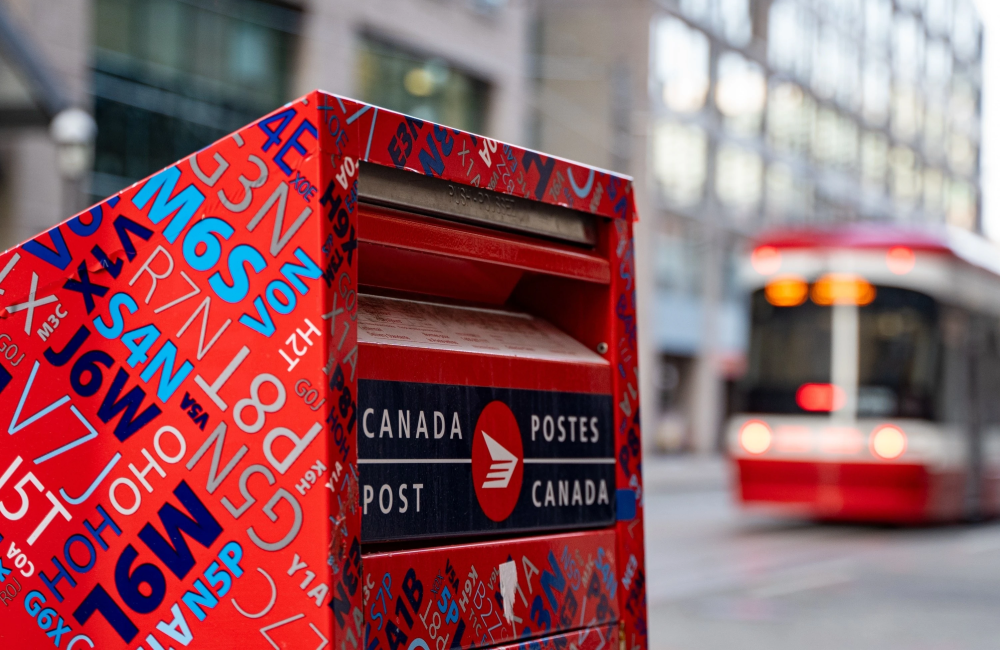
Canada Post Prepares for Strike – Potential Delivery Delays
On May 23, 2025, the Canada Post workers’ union plans to begin a strike, which could lead to widespread disruptions in postal service across the country.
What’s Happening
More than 50,000 employees, members of the Canadian Union of Postal Workers (CUPW), are eligible to strike starting Friday. This is the result of prolonged negotiations for a new collective agreement, which have so far been unsuccessful. The union insists on improving working conditions, particularly for couriers who work in harsh weather conditions and have overloaded schedules.
Who Will Be Affected
Strikes can impact both domestic deliveries within Canada and international shipments. Delays are expected in the processing of parcels, letters, commercial cargo, and potentially even legally significant documents. Companies using Canada Post for deliveries to or from Canada are already warning their clients about possible disruptions.
What Logisticians Advise
It is recommended to plan shipments in advance, inform customers about possible delays, and use alternative carriers such as FedEx or UPS. This is especially important for businesses with critical deliveries or tight deadlines. International logistics operators with hubs outside of Canada should also be considered.
GlobalPost is closely monitoring the situation and always offers flexible logistics solutions to minimize risks in international delivery.
If you need delivery of documents or cargo to Ukraine – find more information on this page.
If you are exporting from Ukraine to Canada or other countries – use this link.
To calculate the delivery cost, use our tariff calculator.

FedEx has become the first among international logistics companies to receive corporate CEIV Pharma certification from IATA – for all its hubs and airport terminals at once. This confirms that the company meets the highest standards in the transportation of medical shipments.
What is CEIV Pharma?
CEIV Pharma (Center of Excellence for Independent Validators in Pharmaceutical Logistics) is a program by the International Air Transport Association (IATA) that certifies logistics processes as compliant with the strict requirements of the pharmaceutical industry. It covers the transport of high-value, temperature-sensitive, and time-critical pharmaceuticals.
Why it matters
FedEx underwent an extensive audit of its infrastructure, equipment, warehouses, and personnel training. This level of transparency and accountability strengthens trust in FedEx among pharmaceutical manufacturers and medical companies worldwide.
Global expansion
In addition to the corporate certification, 15 more FedEx facilities in Germany, the USA, China, Belgium, Italy, France, Japan, Costa Rica, and the Dominican Republic have received CEIV Pharma certification. This significantly enhances FedEx’s capabilities in delivering pharmaceutical shipments worldwide.
GlobalPost carefully monitors all current trends in the logistics industry. You can always find a wealth of useful information on our platform.
If you need delivery to or from Ukraine – we’ve made it convenient:
- Incoming shipments → Import to Ukraine.
- Outgoing shipments → Export from Ukraine.
- For representatives of the medical and pharmaceutical industry → Special conditions.
- Cost calculation → Online calculator.

Amazon is actively implementing robots in its fulfillment centers to improve order processing efficiency and reduce reliance on human labor.
Growth of automation
More than 100,000 robots are already operating within Amazon’s logistics network, working alongside employees. This is part of the company’s strategy to enhance the speed, accuracy, and resilience of warehouse operations amid growing e-commerce demand and a global labor shortage.
New technologies
Amazon is deploying mobile transport robots, robotic arms, and automated packing stations. These technologies do not replace humans but help reduce physical strain, improve safety, and lower the number of errors during order picking and shipping.
The trend of the future
Amazon emphasizes that automation will continue to evolve, but the core objective remains the collaboration between humans and machines. This confirms the trend toward smart logistics, where efficiency is achieved not through workforce reduction but through the integration of modern solutions.
What it means for business
Companies operating in e-commerce and logistics can look to Amazon as an example when adopting automated solutions, especially in conditions of an unstable labor market and increasing order volumes.
GlobalPost monitors all relevant trends in the world of logistics, and you can always find plenty of useful information on our platform.
If you need to ship your cargo or parcels to Ukraine — more information is available on this page.
If you need to send a parcel or cargo for export from Ukraine, use this link.
To calculate shipping costs, you can also use our convenient rate calculator.
We also help sellers deliver goods to Amazon, Etsy, eBay and other marketplace warehouses in the U.S. — learn more at this link.
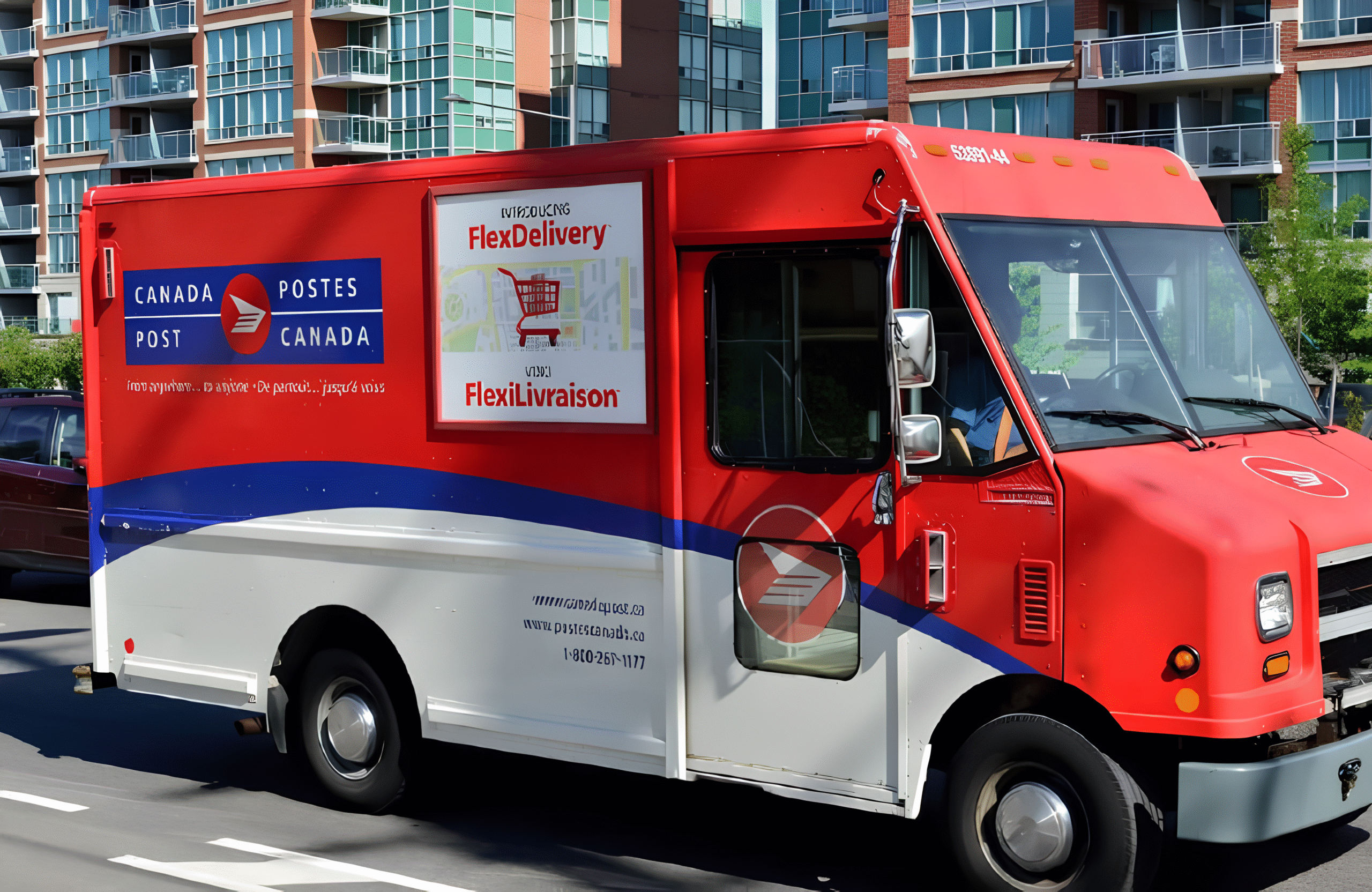
The Canadian Union of Postal Workers (CUPW) and Canada Post have paused negotiations for a new collective agreement, increasing the risk of a potential strike in the near future.
Why this matters for international logistics
The pause in negotiations comes as the current agreement is set to expire on July 31, 2025. According to Supply Chain Dive, CUPW has already begun preparations for a possible strike: meetings are being held, union members are being informed, and mobilization committees are being formed.
Union demands
Key demands include wage increases, improved working conditions, and stronger safety measures. Discussions also address the impact of growing e-commerce volumes, which continue to increase the workload for postal workers.
Potential consequences
In the event of a strike, parcel delivery could be significantly disrupted—especially during the peak summer and fall seasons. Businesses relying on Canada Post for domestic and international logistics may face delays, increased costs, and the need to explore alternative shipping channels.
What businesses and shippers should do
It is recommended to plan shipments well in advance, consider using private carriers (such as FedEx or UPS), and proactively notify customers about possible delivery delays. GlobalPost will continue to monitor the situation closely and respond quickly to any service disruptions.
GlobalPost tracks all major trends in the logistics industry, and you can always find helpful information on our platform.
If you need to send a parcel or freight for export from Ukraine, use this link.
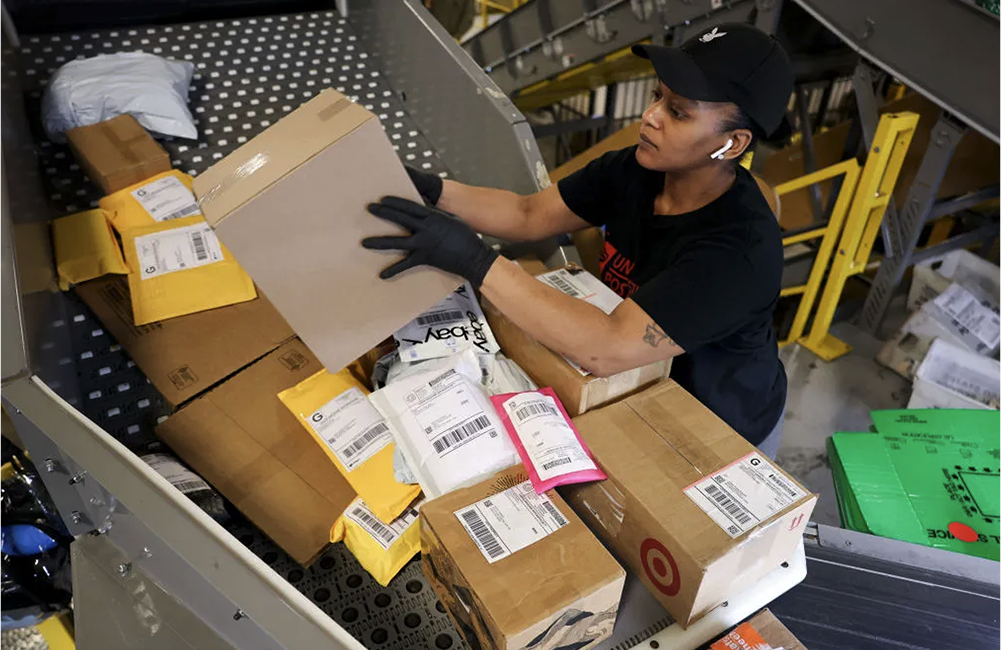
The United States Postal Service (USPS) plans to increase shipping rates, including for Ground Advantage and Priority Mail services, starting July 13, 2025. These changes aim to improve the agency’s financial position and adjust to current market conditions.
Main Rate Changes
According to the official announcement, the average rate increases will be:
- Ground Advantage: 7.1%
- Priority Mail: 6.3%
- Parcel Select: 7.6%
Some categories will see more significant increases. For example, retail Ground Advantage shipments will rise by 9.8%, and Parcel Select deliveries at the branch level will go up by 10%.
Context of the Changes
USPS is facing financial challenges, including a net loss of $3.3 billion for the quarter ending March 31, 2025. The rate increase is part of the agency’s strategy to boost revenue and strengthen its competitive position in the delivery market.
Impact on Businesses
For companies involved in international shipping, it is important to consider these changes when planning logistics operations. The rate hikes may affect shipping costs and delivery timelines.
GlobalPost closely monitors current trends in the logistics industry. You can always find useful information on our platform.
If you need to deliver cargo or a parcel to Ukraine, find more information on this page.
To send a parcel or cargo for export from Ukraine, use this link.
Detailed information on pricing for document shipping from Ukraine.
To receive documents in Ukraine from any country in the world, use this link.
To calculate delivery costs, use the calculator.

FedEx and Amazon have signed a multi-year agreement to deliver oversized parcels to Amazon customers in the U.S. The deal, finalized in February 2025, marks the renewal of a partnership that ended in 2019.
Deal context
In recent years, Amazon has significantly expanded its in-house logistics network, handling more than two-thirds of all U.S. deliveries. However, shipping oversized goods like furniture and appliances requires specialized infrastructure. The new contract with FedEx will help Amazon meet these demands more efficiently.
The agreement comes amid UPS’s decision to reduce its Amazon parcel volume by more than 50% by mid-2026 due to low margins. FedEx views this partnership as an opportunity to boost revenue and strengthen its position in the e-commerce market.
Market response
FedEx representatives noted that the Amazon deal will support the company’s profitability, especially in the large-parcel segment. Analysts also responded positively, highlighting the strategic value of the partnership for both parties.
Business implications
The renewed partnership between FedEx and Amazon reflects the fast-changing logistics landscape and emphasizes the need for adaptability. Companies engaged in international shipping should consider such alliances in their logistics strategies.
GlobalPost closely monitors all trends in global logistics. You can always find a wealth of useful information on our platform.
If you need to deliver cargo or a parcel to Ukraine, find more information on this page.
To send a parcel or cargo for export from Ukraine, use this link.
Detailed information and prices for sending documents from Ukraine.
To receive documents in Ukraine from any country in the world, use this link.
To calculate the delivery cost, use the calculator.
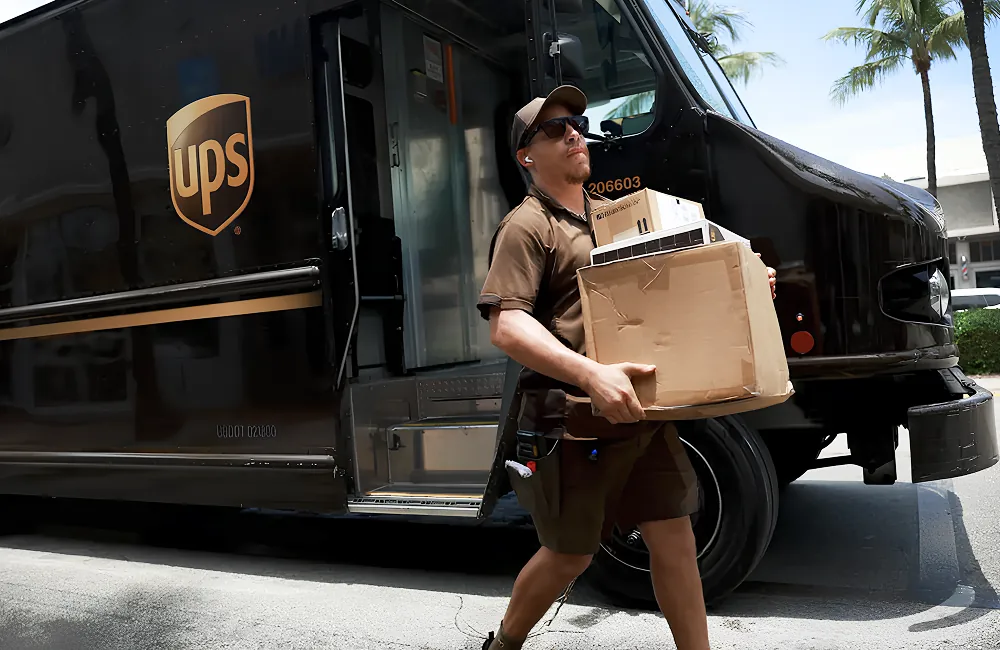
UPS, a global logistics giant, has announced plans to cut 12,000 jobs and restructure its operational network in 2024, aiming to save $1 billion. These measures are a response to declining parcel volumes following the pandemic peak and the recent conclusion of a costly labor agreement with the Teamsters union.
Reasons and Details of the Restructuring
The job cuts will primarily affect management positions and contractors, rather than unionized drivers or package handlers. CEO Carol Tomé described these changes as a “new way of working” and part of the “fit to serve” initiative. The company aims to become more agile and efficient in a changing market environment.
Changes in the Delivery Network
Planned changes include consolidating sorting facilities, increasing automation, and optimizing delivery routes. One notable step will be reducing expensive Saturday air deliveries and making greater use of the SurePost service (a partnership with the U.S. Postal Service for last-mile delivery) for less time-sensitive shipments. This is expected to lower operational costs.
Market Impact
UPS’s decision reflects a broader trend in the logistics industry to adapt after a period of rapid growth during the pandemic. Companies are seeking ways to improve efficiency and reduce costs amidst demand normalization and increased operating expenses.
GlobalPost closely monitors all current trends in the world of logistics. You can always find a wealth of useful information on our resource. If you need to send a parcel or cargo for Export from Ukraine, use the link.
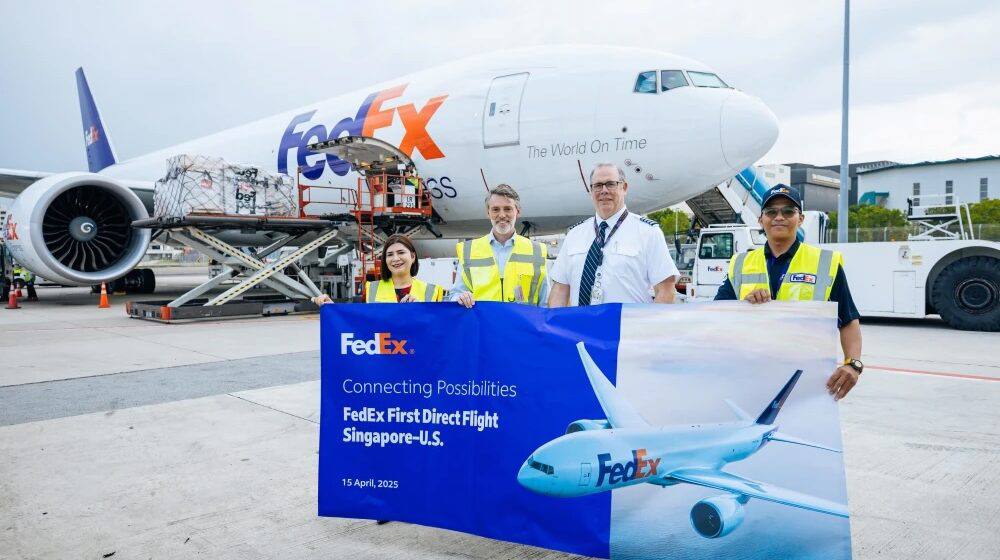
FedEx has launched a new Freight Forwarding solution to provide businesses in Southeast Asia with predictable and comprehensive logistics support for deliveries to the USA.
What’s new:
FedEx Freight Forwarding services now cover Thailand, Vietnam, Malaysia, and Singapore, offering businesses end-to-end logistics—from international shipping and customs clearance to warehousing and last-mile delivery in the U.S.
Who benefits:
- Manufacturers shipping parts, semi-finished goods, and products to the U.S.
- Online retailers and marketplace sellers.
- Exporters seeking full control over each delivery stage.
Advantages include:
- More predictable delivery timelines.
- Optimized supply chain without intermediaries.
- Digital transparency at every step of transportation.
What this means for Ukrainian clients:
Thanks to these innovations, GlobalPost can now offer even more flexible shipping routes from Ukraine to the U.S., including via Southeast Asian hubs. This opens new opportunities and reduces the risk of delays.
GlobalPost closely follows all logistics trends, and you can always find plenty of useful information on our platform.
If you need to send a parcel or cargo for export from Ukraine — use this link.
For business and corporate clients — use this link.
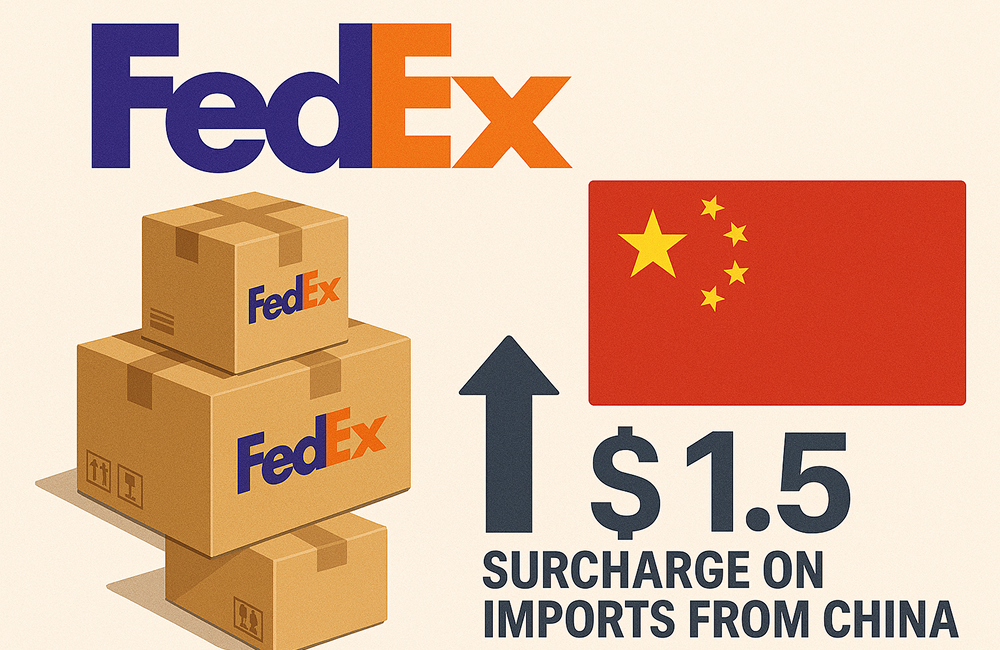
Starting July 1, 2025, FedEx will impose an additional $1.50 surcharge on every package arriving in the U.S. from China. This surcharge comes amid planned changes to the U.S. de minimis system, which aim to tighten rules for goods of Chinese origin.
Why it matters
FedEx is the first major carrier to directly respond with a fee to the U.S. government’s initiative to restrict Chinese imports via the de minimis mechanism — a rule that exempts packages valued under $800 from formal customs clearance and taxes.
In the company’s statement, FedEx noted that the new surcharge “reflects increased costs associated with changes in the U.S. regulatory environment” and may be revised in the future depending on the course of the reform.
Context: What’s happening with de minimis
The Biden administration is preparing to implement stricter limitations on the use of de minimis for goods from China. This comes in response to concerns over safety, counterfeit products, and unfair competition. Although no official date has been set, lawmakers and trade associations have expressed strong support for the reform.
What businesses should prepare for
- Rising costs: the new surcharge is a signal that logistics companies may begin shifting additional expenses onto customers.
- Uncertainty: it is unclear whether other carriers will adopt similar surcharges or whether the amount will increase.
- Impact on e-commerce: brands and sellers relying on direct shipping from China may face rising delivery costs and the need to adapt their business models.
GlobalPost is closely monitoring all ongoing changes in logistics between the U.S. and China.
If you need to ship your cargo or parcels to Ukraine — more information is available on this page.
If you need to send a parcel or cargo for export from Ukraine, please use this link.
Starting April 21, 2025, DHL Express will introduce a temporary restriction on parcel delivery to the USA from businesses to private individuals (B2C) if their customs value exceeds $800.
What happened
Following new executive orders by the U.S. President that revoke de minimis benefits for goods from China, Hong Kong, and Macau, DHL has recorded a significant increase in formal customs clearance procedures.
From now on, all parcels to the USA with a customs value exceeding $800 must undergo full customs clearance — regardless of the country of origin.
What measures DHL has implemented
To prevent system overload and maintain service quality, DHL Express has announced a temporary suspension of B2C shipments (from companies to individuals) if their value exceeds $800.
This restriction comes into effect on April 21, 2025, and will remain in place until further notice.
What still works
- B2C shipments valued up to $800 — delivered as usual.
- B2B shipments (between businesses) — allowed without restriction but subject to full customs clearance and possible delays.
What this means for customers
If you are shipping an order to the USA via DHL Express:
- Check the recipient type — individual or business entity.
- If needed — process the shipment as B2B.
- Expect possible delays even if everything is correctly processed.
GlobalPost monitors all current trends in the logistics world, and you can always find useful information on our platform.
If you need to ship a parcel or cargo for export from Ukraine, please use the link.
We also have a dedicated page for business with shipping calculators and logistics solutions tailored to your needs: use this link.
U.S. President Donald Trump has signed an order to repeal the de minimis rule for parcels from China, which will take effect on May 2, 2025.
Previously, goods valued under $800 could be shipped to the U.S. without duties or customs inspections. Now, e-commerce retailers such as Shein and Temu will lose the ability to deliver products cheaply via air freight directly to customers.
Impact on the Air Freight Market
The repeal of the de minimis rule will significantly affect the air freight industry. Experts predict a decrease in shipment volumes, which may result in financial losses for airlines and logistics operators.
Market and Corporate Response
Shares of major carriers like FedEx, UPS, and DHL have already dropped following the announcement. These companies are now forced to explore alternative delivery routes to maintain their competitive edge.
Global Economic Consequences
Economists forecast rising consumer prices, higher inflation, and slower economic growth. The International Monetary Fund stated that such measures pose serious risks to the global economy.
GlobalPost is closely monitoring all current logistics trends, and you can always find a wealth of useful information on our platform.
If you need to deliver your cargo or parcels to Ukraine — visit our page for more information: Parcels and Cargo Import to Ukraine.
If you want to export a parcel or cargo from Ukraine, use this link: Parcels and Cargo Export from Ukraine.
Detailed pricing information for document shipping from Ukraine is available on this page: Export of Documents from Ukraine.
If you need to receive documents in Ukraine from any country, visit the dedicated page with a full description and pricing: Document Import to Ukraine.
You can calculate your shipping cost using our convenient international shipping calculator.

Despite the announced 10% duty on certain goods from Ukraine, the duty-free limit for parcels to individuals in the USA remains in effect.
What happened?
Starting from April 5, 2025, the USA will introduce a 10% import duty on some goods from Ukraine. This decision has raised a wave of questions from Ukrainian senders and buyers.
What does this mean for GlobalPost clients?
After consultations with customs agents in the USA, we received confirmation:
- The duty-free import to the USA for parcels with a declared value of up to $800 remains unchanged.
- The new duties apply only to commercial shipments of goods worth over $800.
- Marketplaces (Etsy, eBay) do not charge additional fees from American buyers of Ukrainian goods.
- Due to the updated rules, temporary delays in the delivery of some shipments are possible, especially when the value of the goods is close to $800.
What to do?
It is best to inform your buyers that all orders up to $800 sent through GlobalPost services are not subject to the new tariffs and can be imported into the USA duty-free.
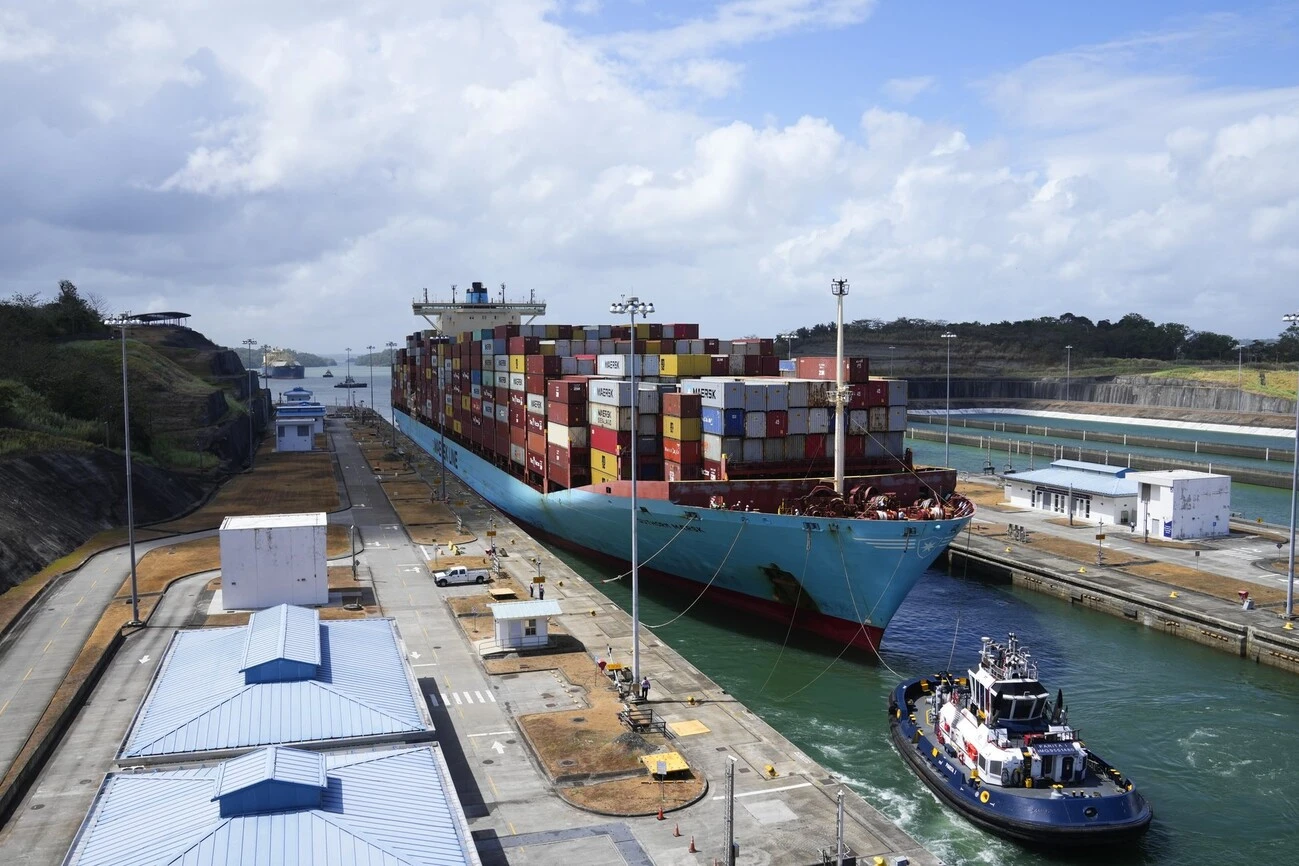
China’s antitrust authorities have suspended the sale of CK Hutchison’s port infrastructure in Latin America – including at the Panama Canal – to a US consortium led by BlackRock.
Panama’s strategic importance
The Panama Canal is a key hub for global maritime logistics. About 6% of global trade passes through it annually. Ports on its approaches play a crucial role in the distribution of container flows between America, Europe and Asia.
Why this is important for the industry
The $23 billion deal was supposed to be the largest port infrastructure deal in recent years. However, Chinese authorities initiated an anti-monopoly probe, effectively freezing the process. The decision reflects growing geopolitical control over critical logistics facilities.
What’s next
If the deal does not go through, the management of a number of ports, including facilities in Panama, will remain with CK Hutchison, whose operations are heavily regulated by Beijing. This could affect global logistics operators’ access to infrastructure and increase China’s influence over international trade flows.
Source: Watcher.Guru

The U.S. Helped Broker a Maritime Ceasefire Between Ukraine and Russia to Ensure Safe Shipping in the Black Sea
The initiative aims to reduce risks for civilian vessels and restore stable shipments of agricultural products and humanitarian cargo.
What Is Known About the Agreement?
According to the Financial Times, the agreement applies only to maritime routes and does not cover combat operations on land. However, the timeline for implementation and control mechanisms remain undefined.
Russia has set its own conditions, including easing sanctions on banks involved in agricultural exports. Ukraine, in turn, insists that any concessions will only be considered if full security guarantees for vessels and crews are provided.
What Does This Mean for Logistics?
This agreement could partially stabilize logistics in the Black Sea, particularly in the agricultural sector. However, uncertainty over the details and political risks require businesses to remain flexible and ready to adapt their routes quickly.
GlobalPost will continue to monitor developments and provide timely updates on the availability and safety of maritime routes.
Source: Financial Times

One of the World’s Largest Logistics Operators, Kuehne+Nagel, Warns That Economic Uncertainty May Impact Its Financial Performance in 2025
The company’s management stated that in the face of slowing global demand and an unstable geopolitical situation, it is difficult to make optimistic forecasts for the coming year.
What Is Happening in the Market?
Despite Kuehne+Nagel’s net profit growth in 2024 to 1.5 billion Swiss francs, the company acknowledges that freight flows remain unstable, while air and sea transport volumes are volatile. This is particularly evident in routes affected by the crisis in the Red Sea and shifting trade corridors.
What Does This Mean for Business?
According to CEO Stefan Paul, in 2025, the company will focus on cost control and strengthening operational resilience. Investments will be directed toward digital solutions, warehouse process optimization, and the development of logistics services for pharmaceuticals and e-commerce.
This serves as a signal for the entire market: the period of instability continues. Participants in international trade should consider potential disruptions in global supply chains and choose partners capable of rapidly adapting to new conditions.
Source: Reuters

The Verkhovna Rada of Ukraine adopted in the second reading Draft Law No. 10257, which amends the Customs Code and other laws.
The document clarifies the procedure for performing certain procedures, eliminates terminological inconsistencies, and at the same time mitigates approaches to administrative liability for violation of customs rules.
What is changing?
Fines are now divided depending on the decision-making body: customs has a fixed amount, while the court has set minimum and maximum limits. This is in line with the requirements of the Constitutional Court.
The amount of fines under Articles 472, 482, 483, 484 now depends on the value of the goods, in line with the approach proposed in the draft of the new EU Customs Code.
Under Articles 472 and 484, the confiscation of goods or vehicles is no longer mandatory – the decision is made by the court.
Release of volunteers
Persons who transferred vehicles imported in transit or temporary importation (including as humanitarian aid) for the needs of the Armed Forces of Ukraine before April 1, 2024, are exempt from liability if they have documentary evidence.
Other changes
The timeframes for reviewing complaints have been regulated, the right to submit explanations along with objections has been granted, and the list of authorities that can process Form 302 has been expanded. The customs also received the right to suspend tariff preferences in case of doubts about the origin of goods from countries with which free trade agreements are in force.

The importance of an accurate description of goods
The U.S. Customs and Border Protection (CBP) has implemented an Advanced Cargo Analysis System (ACAS) procedure for inbound shipments with ambiguous or unclear descriptions. This means that all shipments arriving in the United States with an incorrect cargo description and failing ACAS will be rejected at the point of departure or will not be admitted to the United States and will be returned to the shipper.
What do you need to do?
It is very important to provide an accurate description of the goods in the commercial invoice, which must be written in English.
Descriptions such as “parts”, “accessories” or “for personal use” are not acceptable. Accurate descriptions must include information about the material of the product and its purpose. Examples include: “children’s toys made of plastic” or “dresses made of 60% cotton and 40% polyester”. Unclear or incomplete descriptions in commercial invoices are the main cause of delays in the delivery of international shipments around the world. The US Customs and Border Protection has published a list of unclear, unacceptable descriptions. The list will be expanded over time, so stay tuned: Unacceptable and correct descriptions of goods.
For security reasons, U.S. Customs and Border Protection (CBP) officers need to know in advance what goods are being imported into the country. For this reason, the details of the commercial invoice are particularly important. Any mistakes in documentation, reporting, or indication of the type of goods can lead to delays, fines, and even confiscation of cargo.
For more information on how to describe the goods correctly and accurately, please contact us.

Dear friends, partners and customers.
Today we are updating our tariffs for shipping from Ukraine to the world and for shipping to Ukraine.

Dear friends
We have good news. We have opened a warehouse in Slovakia and a warehouse in Uzhhorod.
Together with our partner, the Churilo Brothers Foundation, we are now technically able to deliver humanitarian aid from the EU to Ukraine. This can include food and equipment for the military and everything else. Warehouse services are provided free of charge, transportation services – for a symbolic payment for fuel.
To do this, we need to deliver the cargo to our warehouse in Kosice and prepare a package of documents. After that, we transport the cargo to our warehouse in Uzhhorod and then either hand it over to the recipient from the warehouse or send it to the final recipients.
Currently, we have the opportunity to deliver goods by rail in special wagons directly to all cities of Ukraine where Ukrzaliznytsia trains run from the cities of Mukachevo or Uzhhorod.
For more details, please contact us at +380637772686 or +380993072326
Dear friends
We have uploaded a new version of our website.
Currently, we continue to provide delivery services to the cities of Ukraine that are not in active hostilities. We also provide international delivery services for parcels, documents, and cargo both from Ukraine and to Ukraine.
We believe in the Armed Forces of Ukraine!
Dear friends
We have signed a partnership contract with DPD and FedEx
From now on, we are able to provide delivery services across the EU and around the world.
Current rates in our calculator
We believe in the Armed Forces of Ukraine!


